Thomas Jefferson had me with “We hold these truths to be self-evident, that all men are created equal, that they are endowed by their Creator with certain inalienable Rights, that among these are Life, Liberty and the pursuit of Happiness.” I first fell in love with the Declaration of Independence as literature in Mr. Yaktine’s American Government class. The man was uber-passionate about civics and all things history and brought me under his spell. Because…all these years later and 247 years after it was published, I still consider the Declaration to be one of the most eloquent documents ever written.
When my daughters were young, too young actually, I read the Declaration to them ritually for several years. They accused me of child abuse. Of course they picked and poked at me during the reading and produced all kinds of distractions. Inevitably, they would be bored to tears and begging for release as I read Jefferson’s case for the United States of America. Especially painful for them was wading through the usurpations and punishments King George wrought on the colonists. Curiously, at some point in their young lives, they started paying some attention and even asked questions about America’s battle for Independence. “No, Thomas Jefferson didn’t start the war. The Revolutionary War had been going on for over a year when the Declaration was published. It would be another eight years before the War was over and even longer before America had a real government.”
The last paragraph was always money though, as Jefferson clearly stated that these colonies were divorcing themselves from Great Britain. That closing paragraph, WOW! He brought it all home with a humdinger summation, presenting a united front from the Representatives of the United States of America in General Congress. He appealed to the Supreme Judge of the world for the rectitude of their just cause. And the closing – “And for the support of this Declaration, with a firm reliance on the protection of divine Providence, we mutually pledge to each other our Lives, our Fortunes and our sacred Honor,” always brought me to tears.
The unvarnished truth of the Declaration, though, is a bit complex. For example, Thomas Jefferson expressed thoughts that had been percolating around the world by Enlightenment philosophers like Montesquieu, Rousseau, Locke and Hume. Natural Rights, which Jefferson called inalienable, were basic human rights to which every human creature should be entitled. Then too, it was tinged with hypocrisy: Most of the founders who signed the document were slaveholders – so much for all men are created equal. And that line that brought me to tears, well, the founders who were deep in debt to the Bank of England would see their debts go away and fortunes rise by victory. The British surrender at Yorktown was the founding fathers’ lottery ticket.
Today, my wife, daughters and I had text exchanges wishing each other Happy Independence Day. Jokingly, I suggested a zoom call for a ritual reading of the Declaration. One daughter laughed and said she’s “not feeling like hearing much from the founding fathers these days.” The younger daughter concurred. I get it. Our founders were imperfect and they created an imperfect government. We were divided in Revolutionary times; loyalists wanted to remain with the crown, progressives wanted to move forward as an independent nation. But those flawed men – no women – did create a noble idea of America. In nearly 300 years, we have moved at a glacial pace toward a more perfect union. I’m not naïve about the past or the present. But I still believe in the hope of America’s future and its influence in making a better world. I believe that my neighbors coast to coast are good, well-meaning citizens who care about friends and strangers. As a nation, we can do better and should do better in fulfilling a promise made in 1776. Happy Independence Day! Long live America.
For nearly 250 years, Americans have fought and died for democratic ideals that were set forth in Enlightenment philosophy and memorialized in the Declaration of Independence and the U.S. Constitution. The idea of a government of the people, by the people and for the people was radical in the extreme. Not even the patriots and founding fathers really believed this form of government could stand. Back in their day, many expected George Washington should be king. He saw it differently. And won, thankfully. So for all those who have defended America’s interests from the Revolutionary War through Afghanistan, we give you our heartfelt thanks.
But defending a democracy requires more than military might. It requires civic commitment by all of us. On Election Day, Americans came through in historic fashion. Not everyone was happy with the outcome, but that is what democracy looks like. The turnout was extraordinary for a mid-term election, in spite of significant efforts by the Republican Party to restrict voter participation. On election day, America spoke clearly to those in elective office: “We don’t need you to fight for what divides us, we need you to work for our common interests.” America has always valued independence, self-determination, fair play, equal opportunity, kindness and generosity. We’ve lost our way a bit, but not so far off track that we can’t restore the best of what is America.
It is no secret that our democratic republic has been threatened recently, that our citizens are as polarized as much as we were in the early 1800s, 1860s or 1960s. There are serious concerns and threats ahead to be sure. As an enthusiastic, lifelong student of history and government, I am heartened by the 2022 election because American Democracy was the big winner. My takeaways from the election and why the results took so many by surprise are these:
Polling was terrible – as it has been for multiple recent elections. In this election, the forecast was for a Red Wave. Obviously that did not happen. As the vote sits 72 + hours from Election Day, Democrats are likely to retain Senate control and have a slim path to retaining the House. And anyone carefully watching or listening knew better. Number one, polling is by nature a trailing indicator. Pollsters, politicians and pundits rely on historical trends and reaching demographics that are becoming increasingly unlikely to respond. And many polls do not even attempt to find out what voters are thinking, but are instead designed to push or influence a pre-determined result. Media are often lazy and complicit in the whole prognostication process. Pundits and politicians of both sides benefit by fomenting division and fear. Tip: if you want the most objective reporting, turn to the Associate Press.
The Republican Party is in disarray. It is likely the party will realign. The Party received a stinging rebuke throughout the country, with the exception of Florida. Florida was the Red Wave the party expected to go throughout the country. Fingers of blame are being pointed at former President Trump and Minority Leader McCarthy. MAGA candidates took a beating in most states. The party has moved further and further right since the Gingrich Revolution in 1984. The January 6 insurrection encouraged, if not incited, by the former president was a breaking point for hundreds of thousands of Republicans according to reporting by the New York Times. The party has for too long focused more on power and less on representing its constituents. Polling in the U.S. shows that most citizens like Affordable Health Care, Social Security, bans of military style rifles and environmental issues. Republicans have opposed all of these. It is unclear whether the party will continue to consolidate around its MAGA base and recruit from rural arenas, Christian Nationalists, Latino and white men without college education or move back to its traditional conservative. In either case, it may suffer in 2024 and likely beyond. We need two parties, so the hope here is that it reforms around conservative policy. And former President Trump, while still wielding significant influence, is losing power. He may or may not run for a third time. He may or may not even be a viable candidate; it ia unclear if party leaders will back him – and then there’s a very real possibility that he may become ineligible to hold office pending potential felony obstruction charges.
Game Changers. Educated suburban women were a force. And it wasn’t strictly abortion for them. The undercurrent was democracy and threats to other freedoms. Telling was a suburban sports mom that I overheard say at a baseball game, “Inflation and the stock market have their ups and downs, but losing your democracy and civil rights is forever.”
Gen Z stepped up and very few in the media or pundit class saw it coming. This is the cohort of young people born in the early “90s. It has been compared to Baby Boomers, but beware of lumping. Neither the Boomer nor the Gen Z generation is a monolithic body. Gen Z is animated by gun violence in their schools and environmental concerns. They believe climate change is an existential threat to their survival. Boomers believe they will die of causes other than climate. This generation is far more active politically than their parents. They are impressive and ready to take their place in the world at a young age. One, Maxwell Alejandro Frost, is a newly elected member of Congress (from Florida). Gen Z is more naturally aligned with the Democratic Party because Democrats are working on issues of their concern. Note to Republican Party: You could add Gen Z to your mix if you address their issues. Both parties need to be reminded that they are part of Team America.
The question before America is: How do we work toward the more perfect union described in the Preamble to the Constitution? I offer several suggestions to the challenges threatening our democratic republic.
Deny the Tyranny of the Minority. Our forefathers were concerned with the tyranny of the majority, but never contemplated that they might create a tyranny of the minority. Their remedy for protecting minorities was the addition of a Bill of Rights, the personal liberties that Enlightenment philosophers described as natural rights – inalienable rights that should be open to each human life. Among those rights, it would seem logical that the decision whether to bring forward a life would be one. For nearly 50 years, the right to reproductive autonomy was granted in the Roe vs. Wade decision by the Supreme Court. Yet six current Supreme Court justices reversed that decision. Five of the justices are Catholic and another was raised Catholic. Much of the energy behind voter turnout, first announced in the Amendment 2 vote in Kansas last summer, was manifest nationally. In addition to reproductive autonomy, questions were raised as to gay or mixed race marriages – not to mention concern over how the justices might rule in cases involving Christian and non-Christian litigants. Congress should be open to ending the lifetime appointment of justices and consider increasing the number of justice appointed to the Supreme Court. Why not set the number at 12, a standard jury? Another countermeasure to tyranny of the minority would be to eliminate gerrymandering. Both parties have used it through the years, including this past year. It is wrong for America. An acquaintance once stated in a speech an unfortunate truth: “The best one can hope for in life is an unfair advantage.” By gerrymandering, groups of people are being disenfranchised from their vote. It isn’t fair or right. Lastly, do away with the Electoral College. Yes, we are a representative form of government, but the days in which voting was cumbersome are long gone. Two of the last three Presidents have failed to win the popular vote. That may not be a big deal, but why not let all the people determine the presidency?
Come Together. The gaps between the people of this vast, diverse nation include income, wealth, race, ethnicity, gender, sexual orientation, education, politics and more. It is easy to live in our silos and never really know about others lives, needs, abilities and problems. Prejudices are easily formed and, sadly, institutionalized. In our history, circumstances like war and economic downturns have brought people together. President Biden has tried to salve the wounds of divisiveness, but has been unable to make it happen. We are, by nature, tribal. But politics need not be a blood sport, as it is in a very real sense. Rather, politics should be a competitive marketplace of ideas. It once was and can be again. We’ve seen recent examples. Joe Manchin stood up to his party on a bloated budget proposal. Democrats complained, but in the end, a significantly pared budget was good for America and likely saved his party a serious defeat. Liz Cheney looked at insurrection while almost everyone in her party turned a blind eye to it. She stood up for democracy at great personal cost. Hyper partisanship has to end if this country is to move forward to its noble dreams. At the risk of being branded as a social engineer, I favor universal compulsory service. Why not require two years of service for every individual beginning at age 18 or the summer after completing high school? Eighteen-ers should have a modicum of choice in placement, i.e. military service, teaching, health care, construction, manufacturing, farming, technology, environment, etc. As in military, inductees would be paid on a progressive rank scale along with health care and housing. They would live in community and get to know peers from diverse backgrounds and lived experiences. A well-designed program could result in efficient private/public partnerships. And if you want to go crazy, give the recruits two years of college education. After all, the G.I. Bill after WW II produced a new middle class and the greatest period of economic prosperity in our country’s history.
Mt. Rushmore a tribute to divine creation and extraordinary human capacity
I’ve made two pilgrimages to America’s shrine to presidential greatness. For a nature lover and history nerd, Mount Rushmore is one of the most awe-inspiring places in the world to visit. And so, on hopefully our last Covid Presidents Day, I returned virtually to this majestic monument to divine creation and human capacity. Sculptor Gutzon Borglum honors four presidents, bookended by George Washington and Abraham Lincoln, the presidents for whom Presidents Day was proclaimed. Gazing up above timberline to the faces carved from granite, I am struck by the thought that Mount Rushmore would have been fine – if not better – with just Washington and Lincoln. That is not to say that Thomas Jefferson and Theodore Roosevelt don’t belong. Fact is, Jefferson holds most favored status in my personal Presidential Hall of Fame, primarily for the Declaration of Independence and the Louisiana Purchase. And what Theodore Roosevelt did for the expansion of public lands and preservation of nature’s greatest creations warrant recognition. Plus, how many people do you know tough enough to finish a speech after being shot in the chest? What TR did post-presidency is almost incomprehensible in the context of modern presidency (read Candice Millard’s River of Doubt). But Washington and Lincoln are the presidents that stand out most in America’s collective memory. They are universally admired.
George Washington, Father of Our Country
Washington was “first in war, first in peace and first in the hearts of his fellow countrymen.” He gave birth to our nation and put it on a solid course that would create a lasting Republic. He set the standard for the U.S. Presidency. So revered was he, that for over a century, no successor sought more than two terms in office (the 20th Amendment enshrined the tradition). He could have been King or president for life. Instead, he put the interests and welfare of a fledgling nation above his own. His Farewell Address to the nation is one of the most beautiful and inspiring speeches of all time. Interestingly, his admonition that political parties would be destructive to a lasting democratic republic echoes as prophecy more than 200 years later. Washington was not a perfect man by any stretch of the imagination. He will forever be known as a slaveholder. He failed miserably in the French and Indian War, costing many of his troops dearly. He learned from his mistakes and attempted to make wrongs right. In the end, most historians consider him America’s greatest president.
Abraham Lincoln, 16th President
Lincoln gave our Republic its “new birth of freedom.” Like Washington and every other human who has lived, he also had shortcomings. I was disheartened when researching for a term paper, to stumbled across a quote from one of the Lincoln-Douglas debates that read something like, “I do not consider the Negro the intellectual, physical or moral equal to the white man.” For a long while, I resented his hypocrisy. I later learned that the Civil War changed him. Of course, how could it not? Lincoln earned his vaunted place in history because of his failures. He, like Washington, learned from failure. Lincoln came to a moral conviction that slavery was wrong and took a pragmatic approach to the reality of a bitterly divided nation. To accomplish noble purpose, he pivoted when he had to, cajoled when it served his aims and made devilish bargains – all for the greater common good. His Gettysburg Addressis considered by many to be the most impactful and most widely recited two-minute speech of all time.
I tend to lose myself in moments when my mind goes down several roads. In my Rushmore journey of mind, I imagined myself being there in the early days of the sculpting, hearing the thunderous dynamite explosions (90% of the sculpting was done by dynamite), envisioning the large chunks of granite exploding off the mountain and witnessing the workmen dangling on scaffolds gradually revealing faces sculpted from rock. I looked down as if wearing virtual reality goggles to see where literally tons of broken shards lay. And I was immediately diverted to the present. Laid out before me was an unambiguous metaphor of our most recent former president’s term in office. President Trump began his administration explosively, continued in great controversy and ended in a historic second impeachment. His presidency lies at the bottom of the Hill like a heap of shattered rubble. The Republican Party is left with a doubtful future. And our nation is divided nearly as bitterly as the one Lincoln pieced back together but never thoroughly healed. It makes me sad. It did not have to end this way.
President Trump at January 6 Rally
Let me be clear, I never liked Donald Trump. He’s just not the kind of person I admire, aspire to be like or even be around. I did not vote for him because he demonstrated no clear set of guiding principles or political philosophy. However, once he secured election, I held the genuine hope that he would be the kind of disrupter and dealmaker that would move the country forward. And failing that, he would cause we the people to examine more closely the institutions and principles of our government. He failed to do so in the first hope, the verdict is still out in the second. President Trump can certainly claim achievements from his time in office – and could have claimed more, notably pre-Covid economy and Operation Warp Speed – had he constrained himself. But unlike Washington and Lincoln, he never learned from his mistakes, engaged in self-reflection or admitted failings. Rather, he double-downed. President Trump could not get past losing a close election. He tried mightily to overturn the election, legally at first. But try as he might, he could not get attorneys general and election officials of battle ground states to lie and cheat for him. His legal team filed more than 50 court challenges – all receiving stinging rebukes by judges, citing complete lack of evidence of voter fraud. When all else failed, he summoned his most loyal supporters, misled them and took advantage of them, inciting them to insurrection. Historians don’t normally make judgments on presidential administrations for decades. But based on post-insurrection comments from today’s most well-known presidential historians, President Trump will replace James Buchanan and Andrew Johnson as the worst presidents in history. These authors will point to two condemning issues for the Trump Presidency that have played out in real time: his mishandling of the Coronavirus crisis, resulting in more than 600,000 dead Americans and a significantly diminished economy; and failing to execute his sworn oath of office to preserve and protect the Constitution of the United States against all domestic and foreign threats. Before Donald J. Trump, very few Americans could imagine that a U.S. President would refuse to accept a democratic process, attempt to strip millions of Americans of their legal vote, or incite an insurrection of the government he led. Shakespeare wrote poetically of human judgment in Julius Caesar: Mark Anthony says “The evil that men do lives after them; the good is oft interred in their bones.” And so it seems that any good that President Trump did while in office will be forever overshadowed by two great failings.
I write this NOT as a disparaging judgment on those who liked President Trump or supported him, but rather out of disappointment for what has happened and fear for what could. After all, some of his 70 million supporters are friends and family that I know, love and respect. However, I am less charitable about the political enablers who supported his worst instincts. Most of my party’s Representatives and Senators failed to convict what was clearly incitement of insurrection on a flimsy Constitutional question that a preponderance of Constitutional lawyers and experts refuted. They showed themselves to be completely lacking in courage and integrity. They are a mix of cowards, selfish brats who never grew up and worse. Some may even be complicit in the insurrection. I became affiliated with the Republican Party in 1968, before 18-year-olds had the right to vote. I helped Representative Dole become Senator Dole, campaigning and canvassing in De Soto, Kansas. College Young Republicans was the first organization I joined upon entering KU. I proudly voted multiple times for Dole, Senator Nancy Kassebaum, Governor Bill Graves and a host of other solid, centrist Republican candidates who demonstrated willingness to collaborate with opposing party members for the good of the entire citizenry. The Party began moving away from me in 1984 with the Gingrich Revolution. I had hope that it would return to more centrist ideals. It went the other way, moving further and further to the right under the influence of Tea Party and then the Freedom Caucus members. Now the Party is infiltrated with conspiracy theorists. I no longer believe the Republican Party will ever come back to me that in any way resembling what was once considered “Kansas values.” Some political scientists say we are overdue for political party realignment; it looks like it is well under way. On Presidents Day, I went with George Washington. I officially disaffiliated with the Republican Party.
As every dog lover knows, there are countless reasons to love your dog. But on the first snowy day of the COVID autumn, Sadie and I went for a walk along Tomahawk Creek Trail and I discovered a new reason, at least to me; No dog has ever turned down my invitation. I can’t say that of any human in my orbit. Not my parents. Not my daughters or grandchildren. Not best friends. And certainly not my wife of 43 years. But whenever I’ve said, “Hey girl, wanna go for a run (or whatever),” each of my dogs has responded eagerly – with wagging tail and perked ears. Never once has one of my four-legged companions begged off. Miserable weather? No such thing. I’m tired. Never. I’m in the middle of a project (TV show, work, etc.). It can wait.
Ambling along in silence, alone on the trail save one other couple we encountered, I took a fond look back on all six dogs in my life and the special relationships I had with them. Two were with me for only a brief time, others spent their entire lives with me. Each had a unique personality and all amused with their peculiar antics. Each came to me in a season of life, providing me with just what I needed at the time. Each taught me lessons and gave me unconditional love, companionship and therapy. Each heard my most heartfelt confessions, frustrations and fears. None ever betrayed a confidence, passed judgment or lectured me. Each was loved by all family members. Dogs have a way of establishing special relationships with each member of their family. It’s their super power.
Sandy, Bullet and Tammy came to me in the spring of my life, my growing up season. Sandy joined our family when I was 3 as near as I can figure. She was a cocker spaniel apparently named for her color. She was with us for the briefest of times, certainly less than a year. Bullet was a German shepherd. I was five when we got Bullet as a puppy. I remember vividly going with my dad to pick her up at the Sunflower Ordnance Works, where he worked on the guard force. One of his co-workers offered the pup in friendship. Mom did not care for dogs at all but Dad somehow won her over. I think his pitch went something like, “Betty, a dog is just what the kids need. He will be good protection and caring for him will teach them responsibility.” Bullet was protective, eventually too protective, and Mom was the one who learned about responsibility. As Bullet grew, he became more aggressive, and we gave him to a farmer.
Tammy was my hunting buddy.
Tammy, a Brittany spaniel, came to us when I was in fifth grade. Tammy was immediately beloved. We eventually defined our family as “we five and the dog.” We were all amused by her practice of sitting on her sloped doghouse roof like Snoopy in the Peanuts cartoon strip and of her habit of digging tunnels in the yard to create a cool summer resting place. Mom, who still loathed the idea of having a dog in the house, grew very fond of “that darned dog.” It was she who decided to let Tammy sleep in the house – as long as she stayed in the utility room. She curled up in the magazine rack rather than on the pallet of blankets we arranged for her. At bedtime, we set up an elaborate barricade to keep her in the utility room. It never worked. Somehow she made it to my bedroom every night without creating a disturbance. While Tammy loved hanging with the family at home, she absolutely lived for the hunts she was bred for. Hunting was where my special relationship with Tammy was formed. We spent many a joyful day in the field together hunting quail, sometimes with Dad, sometimes with a friend or men who mentored me in the ways of hunting. Often, it was just the two of us. I left for college in the fall of 1968 and our hunting days became very few and far between. Not long after Thanksgiving of 1975, Dad had the sad duty of taking Tammy to the vet for the last time. We were all heartbroken.
Maggie was my daughters’ growing up dog
Maggie came to our young family unofficially May 1, 1987, the summer growing season of my life. We always knew we would have a dog some day when our daughters were old enough, a point they had not reached. But fate intervened in a most unexpected and serendipitous way. My wife was hosting a multi-family garage sale, the intention being more fun than profit. One of her girlfriends needed to go home to check on her pregnant golden retriever, Molly. She asked our daughters if they would like to come check on Molly. They eagerly went. And while there, they had the rare experience of watching puppies being born. Naturally, the friend offered us the pick of the litter.
Maggie was golden for our family.
Maggie was our girls’ choice and came to live with us in early September. She was everything you expect of a golden: furry and cuddly, irresistibly friendly, eager to please. We set rules and boundaries for her. She first lived in a doghouse outside in our fenced back yard. On a cold winter’s night, we brought her inside to sleep in the kitchen. She never slept in her doghouse again. She loved to romp and play with us. I ran with her occasionally, but it was clearly not her favorite thing to do. Maggie was without doubt, the sweetest dog in my life. She was great for our daughters, displaying the patience of a saint, except for those moments when she talked to our youngest in a “low voice” after being held too tight for too long. She was loving and adaptable – as she demonstrated with our move from the Waldo neighborhood in Kansas City to southern Johnson County. We were the first occupants of our subdivision so we explored construction sites, wooded hills and a hedgerow where she occasionally scared up a covey of quail. Maggie was with us in the height of our child rearing and career building years, so I wasn’t able to spend as much time with her as I would have liked. I took Maggie to the vet for the last time on a brutally hot July day in 2001. She left us all broken-hearted.
Chloe was the gift of a lifetime.
Chloe came to our family April 16, 2000, on our youngest daughter’s 18th birthday and in the Fall harvest season of my life. We finally granted said daughter’s perennial birthday and Christmas gift request of a puppy. Chloe was a rescue puppy, an adorable, green-eyed, floppy-eared fur ball with a tail that made the case for bobbed tails. She was a cross between a pure bred Brittany spaniel and a mix that was predominantly Australian shepherd. She was an extraordinarily active, playful and curious puppy.
My running buddy and colleague.
One reason we got a puppy for a daughter soon to be going away to college was the belief that a companion dog could extend the life of an older dog. Chloe was not that kind of companion. She had complete disdain for our beloved Maggie (and all dogs), and likely hastened the older dog’s demise. As for humans, she would tolerate them as long as they were family members or left her alone. My wife and daughters clearly loved Chloe, but they were frequently irritated and embarrassed by her “rude” behaviors. She was smart enough to learn commands, but way to stubborn to obey them. Chloe became my soul mate. She ignored my human flaws and I never anthropomorphized her canine failings. Our shared interests were running and competing. She relished her athleticism and amazed us by snatching birds flying too close to the ground and her “bi-pod pee” in which she walked on her two front legs doing her business with rear legs completely off the ground.
We soon became the best of running buddies. We ran together most days of the week through all kinds of weather for nearly 14 years. When I did track workouts, she would line up in the lane next to me. She “got it” and always sprinted ahead at the finish line. We ran one race together – the 2007 Dog ‘N’ Jog – at the behest of my younger daughter who was volunteering for the Humane Society benefit. Chloe seemed distressed by all the dogs and humans, but when the gun went off and we started running, she got into a rhythm. We finished second in the one-mile race in 5:35, a time I could not have run had Chloe not been pulling me every step of the way. In addition to our recreational time, she spent much of her day on the couch in the World Headquarters for my home-based business. She was officially director of security for Hughey and Associates. We had brief synergy meetings almost daily and she served as my sounding board for creative and strategic decisions more often than I care to admit. Her final trip to the vet was on a bitter cold February day in 2014 with six inches of snow on the ground. I agonized over the decision, but after taking her for a brief jaunt on Tomahawk Creek Trail where we had enjoyed countless runs and then a to the track, I knew it was time to say goodbye. The family was heartbroken. I was devastated.
Soul mates.
Sadie, named Sandra Bullock by her saviors at the Humane Society, came into our life on July 12, 2014, the winter of my life. I wasn’t ready for a dog to replace Chloe just yet, but my wife missed having a dog in our empty nest. She won. Since Chloe was “my” dog, it seemed only fair that my wife pick the new dog. She wanted a cuddly, yet non-shedding, puppy like a golden doodle. But she was committed to finding a rescue dog – and good luck finding a rescue golden doodle. Sadie was charitably described as a lab mix, and to be fair, she likely has some lab in her. She has some border collie as well, which may explain her herding instinct and her insistence that if we go for a family walk, everyone stays together from the time we leave until we return home.
Sadie is a reliable walking buddy.
Sadie was a cute puppy with sleek black fur and touches of white on her paws and the middle of her breast. To say the least, Sandra Bullock was a long way from golden doodle. I questioned my wife about this really being “the one.” She and the Humane Society salesperson had me hold her. Of course, I thought she was adorable. But she looked athletic and I saw something in her eyes that belied her peaceful demeanor (as it turned out, she was neutered the day before). Sadie was a spunky puppy, perhaps the smartest of all my dogs, but she was incorrigible in terms of obedience. She amused us with her playful antics, with one exception; she loved to escape from the house and romp through the neighborhood. We would chase after her with treats, but she could not be coaxed once free and we were no match for her speed, quickness and agility. She would simply blow past us and give us a gleeful look. We were seldom the ones who caught her. Most often, she would stop running when she encountered a friendly neighbor or a stranger she wanted to meet. With her natural running abilities, I assumed she would become a good running buddy. I was wrong. We thought she would outgrow her running escapades. We were wrong. She is six now, and a neighbor brought her home two nights ago.
Sadie is very much a neighborhood friend.
Sadie never understood the mission or training aspects of running. She simply enjoyed running free and following her nose. She’s still that way. On the trails, she is much more interested in making friends than reaching an arbitrary destination or accomplishing a distance goal within a specified time frame. We run together occasionally – usually in no more than two-minute segments in a walk/run that becomes a warm-up for my track workout. Sadie is, however, a great walking buddy. We walk together at least once a day, sometimes just the two of us, sometimes the three of us, and occasionally with kids and grandkids. Sadie is an exuberant lover of her family. She has a gregarious personality that endears her to many of our neighbors and even strangers. She’s been good for me in the winter of my life.
As a retiree and nontrepreneur open to what’s next, I have more time to appreciate nature and the companionship of a non-anxious presence. Sadie, the dog my wife chose, has changed me. I spend more time living in the moments as they come than living for a future that may or may not come. I am more patient, an attribute I once derided as the least of all virtues. I have a heightened sense of peace, gratitude and joy within me. Oh, occasionally Sadie will go nuts on the trail when she sees a squirrel, decides she needs to see the beauty of geese urgently taking flight or the rare occasion of a deer needing to be startled. But that just reminds me of what it means to be divinely human. Finding your highest self is necessarily a journey fraught with human failings. A dog is a helpful companion that allows you to see a bigger picture of what life can be. Thanks Sadie. And thanks to all the dogs in my life. Each of you occupies a special place in my heart.
In less than two weeks, “We the People” will elect the next leader of the free world. Whether he will be the incumbent, President Trump, or the challenger, former Vice President Biden, is unclear. Also unclear is whether either candidate matches up to the great leaders who guided our nation through its most difficult times.
So what leadership attributes, virtues and character traits do presidential historians and scholars cite as marks of a great president? Most could apply to all manner of leaders – and listed in books, workshops and speeches by leadership gurus like W.E. Deming, Tony Robbins and Brené Brown. Ability to Inspire, Accountability, Confidence, Decisiveness, Determination, Effective Communicator, Empathy, Enthusiasm, Focus, Honesty, Humility, Intelligence, Inventiveness, Positivity, Relentlessness and Resilience are all attributes leaders of any enterprise have to some degree. Every individual who reaches the highest office in the land will carry many of these attributes with him or her. However, some of the more defining attributes of those ascribed as great presidents, i.e. those presidents ranked by history, are told powerfully in narratives by notable historians of the past half-century. Here is a Cliffs Notes summary:
Impulse Control. Doris Kearns Goodwin, Pulitzer prize-winning historian, noted presidential scholar and author of Leadership in Turbulent Times, claims the Ability to Replenish Energy, Ability to Communicate Through Stories, and Impulse Control among traits and patterns of behavior common to four presidents who led the nation in particularly difficult times. She says of Abraham Lincoln (Civil War), Theodore Roosevelt (Industrial Age inequities/culture clash to brink of revolution), Franklin Roosevelt (Depression & War) and Lyndon Johnson (taking office after assassination of President Kennedy/civil rights legislation): “At their best, all four were guided by a sense of moral purpose. At moments of great challenge, all sought to heal divisions, to bring various parts of the country together, to summon the citizenry to a sense of common purpose. They were able to use their talents to enlarge the opportunities and lives of others.”
Generosity of Spirit. Jon Meacham, another Pulitzer prize-winning historian and best-selling author of numerous books, including American Lion (a fascinating biography of Andrew Jackson, arguably the first populist American president and, until recently, widely considered by historians to be one of our better U.S. presidents), Thomas Jefferson: The Art of Power (I highly recommend), and Soul of America, emphasizes that leaders in times of crisis – notably war – must rely on a deep well of moral virtues as a guidepost to actions. In part, it is the perception of high character that gives crisis leaders the credibility and trust to gain the broad support necessary to bend their will on others.
Recognizes Own Shortcomings/Handles Failure. David McCulloughis the Pulitzer-prize winning author of Truman and John Adams as well as many other best-selling historical non-fiction works. He cites John Adams as an example of a leader who recognized his shortcomings, but also made sure he filled the gaps with people who had compensating skills or experience. In essence, spotting talent was one of his gifts. McCullough cites Washington as an example of learning from his failures. As a brash young officer, Washington suffered tragic defeats during the French and Indian Wars, but used the lessons learned to his advantage during the Revolutionary War.
Religious. Michael Beschloss, best-selling presidential historian and author of nine books about U.S. presidents, and popular expert source on historical matters for major TV networks and print publications, says that every war-time president became more religious after making the decision to shed American blood.
Married to a Strong Woman. Beschloss notes that all war-time presidents were married to strong women, some of whom influenced their husband’s thinking. And to all the strong women in my family and with whom I’ve worked with or for, I hear your “Well, duh!” and concur.
In today’s bifurcated America, there is too much anger, fear and distrust among us. We could use more love, peace and civility toward one another. Whichever way the vote swings in the presidential race, hurting will persist for a time, perhaps a long time. Hopefully, we as a nation will find a way to come together sooner than later. And on that note, I turn once again to Beschloss for a hopeful thought from an interview last May with Judy Woodruff for PBS:
The American people have this amazing ability to bind together and to be resilient, even if their leadership is not perfect. So, I would say that, if history tells us anything — and, in my line of work, we think it tells us a lot — it would suggest that the result of this will be, assuming that we survive and assuming that the country sticks together, we will survive and prosper in a way that might even make this a better society.
It’s fall. It’s election season. And according to both major political parties and media pundit rhetoric, this is to be the most consequential election of our lifetimes. The future is cloudy, and in more than a few minds, outright bleak. Almost everyone agrees that the Age of COVID-19 has changed the world forever. Millions are out of work and the possibility of entire industries – or at least large segments of them – vanishing are real. No one knows exactly what new industries will fill the gap, but if history is our guide, we can be assured the gaps will be filled. What better time than now to seriously reflect on our future lives and careers? And consider what kinds of leaders we want to be or that we want to follow.
In normal times – and even those involving a once-in-a-generation crisis or two – an ever-reliable choice is the traditional hero archetype: Someone smart, tough, strong, compassionate and possessing a keen sense for fair play. Kansas Citians might understandably vote for the equivalent of Chiefs quarterback Patrick Mahomes to lead their business/political/religious/nonprofit team. You know, someone who always seems to do or say the right thing, who can face seemingly hopeless odds and see a way to victory, who inspires confidence in and elevates the performance of those around him, who meticulously prepares for each aspect of his game, who remains calm and focused amid swirling chaos, who has the complete trust of coaches and teammates, who sometimes comes at challenges from unorthodox angles, who is nimble enough to escape when danger closes in, who has the vision to see an entire field and make the right play, and who always manages to come through in the clutch. But these are not normal times. Visit this space in a week or two for observations on leadership traits and virtues necessary for leaders in extraordinary times.
Where we are with COVID-19
We’re sick and tired of sitting home, not seeing our family and friends. Some are experiencing the excruciating pain of watching a loved one die, looking helplessly through a window, not being able to hold or comfort them as they pass. We are frustrated. We have a robust health care industry with some of the best medical practitioners and research scientists in the world and they will eventually, hopefully in the near future, develop preventative vaccines and protocols for treatment of this pernicious virus. And yet, with less than 5% of the world’s population, we have nearly a quarter of the world’s deaths from COVID. We want our sports and entertainment venues, restaurants and bars, and houses of worship to be open, but many of us don’t want to wear masks or really social distance, acts health experts generally agree will mitigate the spread of virus molecules. Working parents desperately want their children back in school, but are fearful. School administrators want the same, but are confused about what model can prove sustainable and safe for students and teachers alike.
Some 13.6 million Americans are unemployed, as of August, according to the Bureau of Labor Statistics. The COVID-19 statistics are mind-numbing: 31.6 million cases and 760,000 deaths worldwide compared with 2 million cases and 128,000 deaths in mid-April; 7 million cases and 203,600 deaths in the U.S. compared with 654,000 cases and 31,000 deaths in mid-April; 37,141 cases and 516 deaths in the Kansas City metro compared to 1,447 cases and 76 deaths in mid-April.
We are now four weeks into sheltering-in-place, social (physical) distancing, Zoom gatherings, and over-consumption of toilet paper, sanitizers and wine. We are bored, afraid, lonely and just want this COVID-19 pandemic mess to be over. We want a return to normalcy. But when will that happen and what will it look like? How will we be changed by it? Will we be left better or worse off? Will there be structural changes to our culture, our political system, our workplaces and our economy?
Clearly we are not there yet. As of April 16, 2020:
2 million COVID-19 coronavirus cases worldwide, 31,000 deaths
654,300 cases in U.S., 32,000 deaths
1,447 cases in KC metro, 76 deaths
Kansas statewide COVID-19 stay-at-home order extended to May 3, KCMO’s to May 15
Opinions vary wildly as to when we will be back to normal. The presidential task force recommended to the states a three-stage protocol for relaxing restrictions. It is constitutionally up to the states to implement as each sees appropriate. Some authorities believe the worst days of COVID-19 are behind us and forecast brighter days ahead. Others believe additional waves are rolling toward us and “coming out on the other side” is still months, if not more than a year away. Lots of experts are weighing in on the questions confronting this unique moment in history. I am not one of them. Nonetheless, below are a dozen personal observations of what might happen, with two disclaimers: 1) I have no expertise on any of these issues; 2) I earned my D in Econ 101.
We will know a lot more about COVID-19 – for sure. We started behind the curve on this pandemic – unprecedented in scope and scale of any in our lifetime – and have yet to catch up. Epidemiologists and scientists are working furiously to understand the complexities of this virus. Medical professionals are working valiantly in caring for victims. No doubt their efforts will bear fruit once testing is fully implemented and they have sufficient data. Citizen volunteers have inspired. We are encouraged that pharmaceutical companies are working collaboratively to find a vaccine. We will learn from our failures, of which there are many, and be better prepared the next time COVID-19 or another global virus hits our shores.
Dr. Anthony Fauci is more cautious, relying on science to determine when we are safe to return to normalcy.
We will become a less polarized society – at least for a while. This may be an out-on-a-limb view, but think about it: We as a society haven’t been this united in common fear, sacrifice and suffering since World War II. COVID-19 is an equal opportunity scourge. It can affect any one of us regardless of station in life or privilege. Maybe this would be a good time to seriously discuss compulsory service, be it military, social or other government paid service.
We will be more grateful and humble– temporarily. We’ve received our “comeuppance” and learned that no matter how accomplished we are, we have vulnerability. We are humbled by the emergence of new kinds of heroes – the doctors and nurses who are showing so much courage in this battle to be sure. But less likely first responders stand among us as well – hospital orderlies, grocery store (and liquor store) checkers and stockers, gas station operators, drivers of delivery vehicles and caring neighbors. And, perhaps most of all, teachers have risen in our collective esteem. As every parent and grandparent of an elementary school child knows now more than ever, teachers have a really tough, important job. They don’t get enough credit or pay.
We will have a heightened sense of community – for a minute, hopefully longer. Sheltering in place and working from home have given us a chance to meet our neighbors like never before. But it’s springtime. The temps and seemingly clearer air thanks to suddenly fewer carbon emissions give us an en excuse to go outside. We have to get out and we should get out for our own wellbeing. The neighborliness, as we walk around the block greeting passing acquaintances and heretofore strangers, feels good. Hopefully, impromptu driveway gatherings will become a permanent thing – absent the six-feet rule.
We will be more technologically literate and less secure for it – for sure. We are downloading more apps, finding more ways to communicate with our families, friends, colleagues, clients and congregants, be entertained, and using telemedicine (or none at all). We are seeing the value of tracking the spread and virulence of coronavirus, providing information and insights into this confounding disease to protect us. These are all good things. But…and you knew it was coming: the technology comes with great risk. Like the implementation of security measures adopted in the wake of 911, we are giving up privacy that can be exploited in harmful ways we never saw coming. Most of us are vulnerable because we either don’t understand how data collection/mining works, or we are trusting of our children or friends who “seem techy,” but lack real understanding as to how rapidly developing technologies work. So not only is our privacy at greater risk, but our personal security as well. Regulations will be relaxed in the name of national security and welfare of citizens, exacerbating the problem.
The workplace will be changed forever – unquestionably. Businesses have learned what solopreneurs and gig workers learned long ago – that working from home can be far more productive than working in a traditional office setting. It can also be more satisfying; especially for certain personality types who function better in more introspective spaces. And it will be a godsend to working parents with sick children. The new normal will definitely include a much larger workforce working remotely than at any point since the industrial revolution. Thriving businesses will no longer need to take on more expensive real estate to accommodate employees. Successful companies and new entrepreneurs will be nimbler, more responsive to shifting paradigms. They will figure out the most efficient ways to deploy their workers and create an invigorated culture. And, as is ever the case, there will be significant winners and losers in the transformation.
Government will be bigger– for the foreseeable future. We’ve taken on a ton of national debt on top of a ton of debt. The 2+ trillion dollars has already proved insufficient and the distribution of the funds a fiasco. In addition, we are facing huge global issues: climate change related events, worldwide economic deficiencies, geopolitical strife, tenuous trade and defense alliances, income inequality and scarcity of essentials. Nationally, the crisis has shined the spotlight glaringly on our inadequate health care system and that weakened bureaucracies must be improved. And as potent and innovative as American business is, the private sector simply doesn’t have the economic horsepower to be the answer. Only government, with its ability to print money and right itself can “establish justice, insure domestic tranquility provide for the common defense, promote the general welfare and secure the blessings of liberty to ourselves and our posterity.”
The economy will prove more resilient than it appears now – we can only hope. As devastating as this pandemic shutdown has been for businesses and individuals thrown out of work, most economists agree the underlying economic fundamentals before COVID-19 were pretty solid. To be sure, many local businesses and some struggling corporate giants will fail and never come back. But many employees in the service industry and even manufacturing sectors will be re-hired by their former employers or emerging start-ups. People who have remained employed may have lost substantial nest egg money, but still have substantial income with limited places to spend it. The pent-up demand for spending on dining, travel, entertainment and shopping will be tremendous.
There will be a political realignment – most likely. Political scientists generally agree that there have been five major political realignments (times in which a particular party either arose and dominated for a period of time or dissolved) and several lesser ones in which power abruptly shifted from one to another. The last of the major realignments came with the FDR New Deal Democrats. While it is unclear which of the current major parties will triumph, a tea-leaves reader may reasonably make the case that one will go away entirely (at least for practical purposes), leaving the other to evolve in some way (as it must) and thereby assume dominant power for at least the next decade or so.
Critical thinking will re-emerge – maybe. In the late 18thcentury, philosophers like Locke, Hobbes and Montesquieu planted Enlightenment seeds left over from the Dark Ages-to-Renaissance periods, thus paving the way for a new era of reason that produced political and industrial revolution that gave birth to democracy and economic progress in the U.S., France and elsewhere. For several decades, technology and STEM/practical education have advanced. Meanwhile, as the study of arts/humanities has been back-burnered, critical thinking has devolved. Seeds of reason and rationality are beginning to burst forth in the form of books like “Range” that posits eventual specialists are served better by a broad range of experience early in life. Creative and critical thinking will be essential to successfully confronting the serious crises of our time. As we collectively wrestle with Constitutional issues and examine the foundation of our democratic republic, we will see that our institutions are surprisingly sound. We can and should rid ourselves of antiquated laws and make new ones that fit where we are today. But that’s the elegant beauty of our Constitution. We still have a long way to go in establishing the more perfect union that our founders wrote into the Preamble.
We will come out on the other side of pandemic for the better– mostly. Sadly, the number of personal tragedies will be tremendous, make no mistake about it. Untold thousands of lives will be lost to the disease causing untold grief to their families, friends and dependents. There will be collateral economic damage from which a good many will never recover. We all grieve for their situation. We as individuals and as society will do our best to fill in the gaps for those left behind, so I hope, perhaps more than I believe. But many more thousands and millions will demonstrate the resilience that characterized the greatest generation that suffered through pandemics of their era, the Great Depression that lasted more than a decade and World War II. As a side note, my 99-year-old mother does not believe her generation was the greatest generation. “We just did what we had to do in the times we were given,” she says. A rising multi-generational cohort will step up and transform our country in ways we boomers aspired to do, but never quite succeeded. The next decade or so will prove interesting and challenging. I can’t wait to see the world my children, grandchildren and their peers create. Really can’t wait to be with family and friends, go to sporting events and out to eat or a movie, run a footrace and generally enjoy complete freedom.
The USA Track and Field Masters Championships took place in Ames, Iowa July 11 -14, 2019. I only took two selfies during the competition, the first before I had run a disappointing 400. Participants included men and women ages 30 -101 (one centenarian, several in their 90s).
I did come home with a few valuable takeaways – inspirations and reminders of what makes life enjoyable and worthwhile – whether you are searching for fulfillment in retirement as I am, coming of age as some of the student athletes I have coached are, starting a career as recent graduates are, or climbing the rungs of the ladder and dealing with work-life balance issues as my daughters and their peers are.
Find inspiration in the lives of others and follow their lead. “Hi, I’m Jeanne. What are you running today?” It was the beginning of a memorable breakfast conversation with a remarkable woman in our hotel restaurant on Friday, my first day of competition at the USA Track and Field Masters Championships. Jeanne revealed that she was an “Iowa farm girl” who had lived in California, teaching elementary school for many years before retiring to Atlanta with her husband; that she was 83 and had been running competitively for more than 50 years. She shared her fear that this might be her last meet. Arthritis had frozen her shoulder to the point she could no longer swing her arm. As tough and as much of a stoic as she appeared from the outside, I saw a hint of tearing in her eyes. I hugged her and she hugged back. Jeanne never once mentioned her accomplishments during our conversation, only her love of the sport, the benefits and the relationships she gained from it. But I learned during the introductions before her race that Jeanne Daprano holds an impressive array of national and international titles. She holds multiple age group records for the mile, 800 and 400-meter dash. Her 400 record for the 75-79 age group is an amazing 1:21.28. I learned even more later after Googling her and perusing some of the numerous articles in which she was featured, like she was known as “the running teacher” in an elementary school where she taught Cambodian refugees. In every aspect of her life, including a brief encounter with a stranger in a hotel restaurant in Ames, Iowa, Jeanne seems to show herself as an exemplar of courage, grace and humility. We could all use a Jeanne in our life.
Disappointment is part of life. Get over it. Jeanne was not pleased by her 400-meter race time. She experienced pain from her arthritic shoulder but made no excuses. She ran with heart and guts. I hugged her again and wished her well going forward, then finished warming up for my own race. Jeanne was not the only one disappointed by a sub-par performance Friday. I stunk up my 400 race, and unlike Jeanne, had no injury justification. Frankly, I didn’t even belong that race. Coming in, my stretch goal was to run my age (400 meters in 69 seconds). The conditions favored success – solid training, stellar competition, fast track and hot weather made for a promising race. I didn’t come close – a full three seconds off – and two seconds off a worst-case time given my training marks. I was taken aback by how quickly the field left me behind. Every competitor but me ran his age – most by several seconds. The winner ran a sub-60. One of the men who beat me received a chemo treatment on the Monday before the race. OK so it was probably more humiliating than humbling. I failed and was terribly disappointed. But if there is one clear life lesson that sports and people like Jeanne teach you, it is you have to get back up after you’ve been knocked down. Tomorrow would bring another day and another race. I kept to myself the rest of the day and ate alone Friday night. I engaged in self-talk, resolving not to let one awful race lead to another.
My second selfie was taken after I ran the 800 respectably. I wish I had taken one with Jeanne.
Embrace your inner geek and find a community that supports it. Each of us has some sort of inner geekness – an uncommon pursuit or quirky behavior that sets us apart from others. Often, as is my case, it is a geekness that few of one’s closest friends or family members share. Obsessing about a passion is off-putting to those who don’t share it (telltale signs include their eyes start glazing over and searching for an exit just as yours brighten while you rhapsodize on training flats, split times or how much each energy system contributes what to your favorite race). Sometimes you just want to talk about your geeky love, be it running, golf, pickle ball, music, art, or magic. Rather than feel like an outcast or isolate yourself from those important to you, why not join a tribe in which you can slip away occasionally for its conventions? There is a richness in life that comes from the acceptance into and the affirmation of a community of like-minded souls.
As much as I would have loved to have run my age or scored a medal worthy of an Instagram or Facebook humble brag, there was a deeper, more intrinsic value to the experience. It was in this geeky community that I was warmed by the generosity of spirit, the zest for life, the radiant joy and the sense of gratitude reflected not only by Jeanne, but others. Testament to what a community can be about came after running the 800 on Saturday. Two of the men who smoked me in the 400 were in the race, Yay! One of them smoked me again, winning the race handily. The other finished fourth, but I actually gained on him in the final 200. I felt pretty good about the way I ran the race, my time and finishing fifth in a solid field. And relieved, even somewhat redeemed. Then affirmed. The guy who smoked me twice and won the 800 came up to me and said, “Hey, Tim (Wigger, my friend and Pain Train Corporate Challenge teammate) says you’re considering joining our So Cal team next year. I hope you will. I think you’d like it and you would be a good addition.” After I joked (kind of) that I wasn’t sure I had much to offer, he replied something like, “The race is the race, the times are the times. What matters are the camaraderie and friendships.” He added that the only picture he sought out that weekend was a selfie with two athletes either in or near the centenarian club. A good choice I thought. What could depict lives well lived better than two men racing each other at nearly 100 years of age. The times don’t matter – at least not in the grand scheme. Jeanne expressed the thought beautifully in a New York Times article relating to her training, “I don’t do it for longevity. I do it to be the best at living right now.” Perhaps, just perhaps, Jeanne provided the holy grail for those of us in search of a rewarding What’s Next: Strive to be the “best at living right now.”
My friend Tim, immediately behind me, his SoCal teammates who set a 4X800 World Record last September, including Gary Patton on top row far right whom I shared dinner one night, and my unattached teammates who raced them (a USATF requirement for a certified record).
Every once in a while, you stumble on a minor truth from an unlikely source that becomes much larger. It becomes your truth, it gives you a sense of clarity about the how and why of what you’ve been working to accomplish. So it was for me when I heard an interview with Marie Kondo, the NY Times best selling author of The Life-Changing Magic of Tidying Up. The Japanese organizing and decluttering guru was offering her advice on what to keep and what to lose to maintain a tidy home. “First, put your hands on everything you own, ask yourself if it sparks joy, and if it doesn’t, thank it for its service and get rid of it. Second, once only your most joy-giving belongings remain, put every item in a place where it’s visible, accessible, and easy to grab and then put back.”
Joy! Eureka, the answer. I returned once again to the closet where all my identities are stashed. Those packed up for trash day were nearest the closet door. I touched them all, blessing and thanking them for their service, and bade them a fond farewell. Except for one – The Nontrepreneur blog. I dragged it out of the trash heap on the suggestion of a friend. I started this blog for two reasons: 1) to hold myself accountable to finding the what’s next in “purposeful life;” and 2) to go beyond my writing comfort zone with something riskier, more personal in nature. Writing personal journey or autobiographically is a fine writing form, but I soon learned it is not for me. It’s just not who I am. But no regrets…
I loved my career and will remember it fondly, but it is in the past.
Kathy, a sister in my family of choice whose wisdom I have sought over the years, was seated next to me at dinner during our Mexico getaway in December. She offered generous words about my writing abilities, and then, uncharacteristically added unsolicited advice about by blog. “Rick, you should write about others’ stories.” There was more, but that was enough. Her words rang true. During the past year, I have talked to a number of retirees who, like me, need to be needed. Many of their stories and paths to finding fruitful ways to spend their time were fascinating. Some of these men invited me to join them or offered suggestions, but my skills and interests never quit matched up to theirs. So I put The Nontrepreneur blog back on a shelf, for now. If it continues, I will be sharing more stories of others than my own.
The easy part of my identities closet decluttering complete, I proceeded to touch each of those remaining. Each sparked joy in a nostalgic memory or a reminder of a character trait, an association, activity or ritual at the core of who I am and want to be. The closet began to feel more expansive, more like a beautiful botanical garden than a confined and cluttered closet space. One by one, I put my identities back on the shelf where I could see them and access them easily. Some were more important than others and were given the prominent places they deserved. At last I came to the two most important treasures in my metaphorical garden. The sight of these roses along with their fragrant scent sparked great joy and pride and sense of belonging. But when I touched them, their thorns pricked me. Religion and Boy Scouts have been the heart and soul of my existence since childhood. I turned to them, relied on them in times of trial and they always gave me the answers I needed, although not always the answers I wanted. The pricks came from the failures, controversies and divisiveness each has fostered. I couldn’t imagine not having my only eternal identities positioned in the most visible, accessible position in my closet. Nor could I imagine putting them back as they were without pruning their thorns. One required serious soul-searching and deft scalpel handling. The other required a fairly easy snip.
“Among thousands of men, perhaps one strives for spiritual attainment; and among them the blessed true seekers that assiduously try to reach me.” Bhagavad Gita
Truths are found in diverse sacred texts.
I am a faith seeker, albeit a faith seeker “lite” compared to devotees of The Gita. Still, I am among those who have an uncommon desire to pursue universal truths and a deep relationship with the God called by many names. My parents wanted to raise us (my sisters and me) as “good Christians,” which to them meant being moral, good, honest and loving people. Their theology was not particularly sophisticated or deeply considered, but as the expression goes, “their hearts were in the right place.” Our family attended the Methodist church near our house. I was christened, not baptized, there. Even though I was an infant, I vividly recall the preacher’s wrinkled skin, large ears and stale smell. In those early years, I likely gained more religious teaching through osmosis than intentionality during Sunday school and vacation bible school where we sang songs like “Jesus Loves Me” and “In My Heart There Rings a Melody.”
“Train a child in the way he should go, and when he is old he will not turn from it.” Proverbs, 22:8
My early faith foundation was further informed in a public elementary school in which teachers awarded prizes – colorful pencils and such – for memorizing Bible verses. My competitive nature was more the driving force for my learning scripture than the trivial prizes awarded or any intrinsic knowledge attained. In the summer after my fifth grade year, I completed five years of Sunday school perfect attendance. The church tradition was to recognize the achievement with a King James Bible embossed with my name in gold letters on the cover. For reasons unknown, I began reading the Bible. What I learned was that my preacher’s sermons were as stale and old as his smell compared to those of Moses, David, Isaiah and Jesus – especially Jesus. A year or so later, the newly installed Baptist minister walked into our Boy Scout meeting and introduced himself. He told us of his Boy Scout experience that led to his earning scouting’s two highest awards. Eagle and God and Country awards were my ambitions and I instantly knew he was the one to help me get there. I started attending the Baptist church and the rest of my family soon followed. Reverend Hargrove was young, handsome, sophisticated and loaded with charisma. In the pulpit, he was amazing. Of course he could and did preach the hellfire and brimstone expected of Baptist preachers, but he lived a much more nuanced and progressive theology underneath that he could reveal only in certain circumstances and to select people – if he were to keep his job. God & Country required 300 hours of service in the church and proof of reading and understanding the Bible so I was privileged to spend a lot of time with him. He encouraged my curiosity and allowed me to question or challenge the meaning of scripture. The year after he presented my God and Country Award and attended my Eagle Court of Honor, he left De Soto for a career path that would lead him to the Episcopalian church where he eventually became bishop for the Southwest Region. Reverend Box, a young interim minister who preached well and courageously, and then Reverend Copeland succeeded him. Reverend Copeland, whom I consider among the kindest, most Christ-like people I’ve ever met, still serves De Soto Baptist Church 50 years later.
“Who has made the earth a place of rest for you, and the sky your canopy; And sent down rain from the sky; And brought forth from there fruit for your sustenance; Then do not set up rivals to Allah when you know the truth.” Quran, Sura 2:22
“Love the Lord your God with all your heart and with all your soul and with all your strength and with all your mind. And love your neighbor as yourself.” Luke, 10:27
In college, I attended worship services infrequently. I was a painfully slow reader who barely kept up with class assignments, leaving no time for the Bible. I occasionally engaged in religious discussions in this new and much more diverse community than the one I had left. One was a conversation with a Middle Eastern student of Muslim faith who challenged my belief that Christianity was the only true religion. He thought it ironic and sad that the three great religions from the Fertile Crescent could not get along. “We are all the children of Father Abraham,” he said. I thought of him years later in the wake of the 9/11 attacks. Fear and anger rose up in our community and our country. Muslims were under attack. For the second time in my life, my God side and my Country side were in deep conflict (the first being the Viet Nam War). Justice warranted reprisal against the forces that conducted an unprovoked attack and caused unconscionable harm. It also warranted love, mercy and forgiveness, especially to the innocents who had nothing to do with the attacks. I sought to understand my neighbors and help bring healing in whatever limited ways I could.
“God has no religion.” “I like your Christ, I do not like your Christians. Your Christians are so unlike your Christ.” Mahatma Ghandi
My faith life rested in a dormant state for several years after college, but then children arrived. I became my parents, wanting my children to have a faith experience. Living in Waldo, we chose Calvary Lutheran pre-school for our daughters and began attending worship (until hearing the minister accuse the office of the papacy of being the anti-Christ) and Sunday school regularly. I liked the discussions and gradually returned to reading the scripture. I read early in the morning because a demanding work life and children allowed for precious little free time. Eventually, I completed reading three different versions of the Bible in addition to the King James I read in my youth. When we moved to southern Johnson County for better schools, we looked for a church and found a small Disciples of Christ congregation meeting in a school. I knew little of the denomination, even though my Uncle Dick was a Disciples minister who served as a missionary during the Congo uprising in the late 1950s and early ‘60s. W found the members of the church warm and welcoming. Some played pivotal roles in raising our daughters. “No creed but Christ” is a common refrain when you ask a Disciples member about church beliefs and dogma. I found it curious that our small congregation was populated by a number of retired clergy. I eventually learned that many Christian ministers of different denominations are transformed in new ways during divinity school, then have to suppress their own beliefs gained through study to stay employed by a congregation. Our congregation provided a safe place for ministers to explore their theology in ways some mainstream or conserving denominations would decry.
With Andrea prior to a recording of FaithStoryCorps.
“True Christianity must be lived; racial divisions must be banished. Prejudices and lack of real brotherhood are causes of war and disunion among God’s children.” Paramamahansa Yogananda
My faith journey, theology and spiritual evolution have been influenced significantly by attendance and leadership of my church of nearly 30 years. I have been challenged and guided by its excellent ministers, notably Pastor Rick Butler, who served the church for 17 years, and Herb Kohl, a retired minister who lived a quiet, humble faith while showing bold courage in standing up for justice; a men’s group that meets to read and discuss faith and theology issues weekly at dawn; a documentary series in which Bill Moyers interviewed Huston Smith, one of the foremost authorities on world religions, on common truths many religions share; my elder daughter who introduced me to meditation practices taught by Self Realization Institute, founded by Paramahansa Yogananda, a mystic who grew up in the Hindu caste system, studied Christian scriptures and came to the U.S. in the 1920s to bridge Occident and Orient (and introduce yoga to the West); a woman influential in my daughter’s spirituality whom I met and who later sent me Man’s Eternal Quest by Yogananda.
I have read the Quran in its entirety (some with my men’s group – and yes, it contains passages that sound ominous or threatening, but no moreso than Hebrew and Christian scriptures in the Bible), bits of the Bhagavad Gita and snippets of Daoist wisdom. Of the 7.7 billion people in the world, 2.4 billion are Christian, 1.8 billion are Muslim, 1.2 billion are nonreligious, 1.5 billion are Hindu and 521 million are Buddhist. My takeaway from all this seeking is that no single religion has exclusive blessings, rights, privileges or responsibilities from the Almighty. We have nothing to fear from others’ religions. We have every reason to fear the wackadoodles of every religion. As much as I love Jesus and being involved with my church and the pioneering work it is doing worshiping in community with those in senior living centers – and even though I plan to continue serving God and The Christ in places familiar to me – I am ceasing to self-identify with specific religious affiliations. Child of God and Seeker suit me well.
Seeking wisdom from a Silvercrest resident.
“Be Prepared.” The Scout Motto by Robert Baden-Powell, founder
I must have been born to be a Boy Scout. Everything I learned in Troop 54 seemed to fit what would eventually define my world view: Believing in things larger than yourself. Leaving a place better than you found it. Working hard. Doing good deeds. Helping others along life’s path. Experiencing the awe that is nature. Trying to do your best. Valuing the gifts of mind, body and spirit. The Scout Oath and the 12 points of the scout law are framed together above my desk as my Mission and Vision Statement, providing a constant reminder of the person I was, am and want to be. It represents the philosophy of how I want to live life. The only thing I didn’t like about scouting, especially once I reached high school, was the “goody-two-shoes” image that all too often came with the territory. That kind of image simply didn’t play well with the non-scout boys I hung out with or the girls that attracted my attention.
My introduction to scouting was probably around eight or so with Cub Scouts. Although I touched all the animals required to go through the Cub ranks (bobcat, tiger cub, wolf and bear), I have no memory of my Cub Master or what went on in pack meetings, nor do I remember my den mother (now den leader) or what went on in our den meetings beyond having a snack and playing with friends. However, I do have strong memory of my step up to boy scouts. Our Boy Scout troop always went to Camp Naish the first week of July, reportedly to keep us from getting in trouble with fireworks. My 11thbirthday would not occur until July 20, so technically I was ineligible. But my dad was well-known in our community and was a friend of the Scout Master. They agreed I was ready, but still, I felt pressure along with the excitement. Adults trusted me. I didn’t want to disappoint either and I really wanted to go to camp. So I studied up to recite what they then called the Scout Oath and Promise. I didn’t know exactly what an oath was, but I knew clearly that it was important to keep your promises. So I pored over the words, taking them to heart rather than simply memorizing for recitation.
Then, I think, but assuredly now, the phrase “do my best” was critical. It allowed – and continues to allow – a promise to be honored that is impossible to keep. No one can live a 100% virtuous life or consistently live up to all the promises and virtues espoused in the Oath and Law. But everyone can strive to do her or his best. One of the great lessons scouting is that each of us falters or fails; it is how we respond to our failings that matters. Erring, learning, forgiving and forging ahead from our mistakes – or those of others – takes us to the places to which we aspire.
Scouting is not about the awards or resume line, it’s what you gain from the arduous journey.
Scout Oath
On my honor, I will do my best to do my duty to God and my country and to obey the Scout law; to help other people at all times; to keep myself physically strong, mentally awake and morally straight.
Scout Law:
A Scout is: Trustworthy Loyal Helpful Friendly Courteous Kind Obedient Cheerful Thrifty Brave Clean Reverent
Scouting, bird hunting with my dog, school, church and sports filled my life.
In recent years, Boy Scouts of America (BSA) has struggled with cultural shifts and attitudes. Controversies over creating space for gay and transgendered scouts and gay leaders, and then the admittance of girls rocked the organization, causing many long-time scouts to disaffiliate with the organization that meant so much to them in their youth. I am not one of them. BSA has bravely made accommodation through the years that have allowed, for example, African American boys and boys with disabilities to receive full benefit from the experiences and training scouting offers. Things change. Becoming an Eagle was hard and rare when I was on the trail, just as it was for the generations I followed and that have followed me. I have been privileged to attend several Eagle Courts of Honor for my track athletes I have coached. After hearing their stories and the challenges they faced on their climb, I can say with confidence that this generation represents the high ideals of scouting very well.
The Eagle’s trail is not for everyone and never should be. But it should be an opportunity for all who are willing to endure and sacrifice. If (Boy) Scouts of America focuses on doing and being what its Oath and Law stands for, it will thrive. American society is more diverse than it has ever been. It is time for scouting to reflect all of that diversity. Create challenging trails that all youth ages 11 – 18 can follow, regardless of their race, ethnicity, religion, disability, gender, gender identity or sexual preference.
It would have been unimaginable to not have my scouting identity prominently placed in my special closet. But it would have been equally unimaginable to put it there without making a mental edit. I simply needed to strike “Boy” from the name. Scouts America (my identities closet name – effective today, BSA is officially Scouts BSA) should be relevant to today’s and tomorrow’s leaders. I am confident it will be.
I love being PaPa to Leo, his sister Nora and cousins Johnny, Gabs and Adeline.
Diving deep into my closet of identities has been an experience of both joy and pain, and ultimately cathartic. At the end of my nine-month sabbatical, I do not have a plan for the what’s next. But knowing what I don’t want to be and having a framework for the kind of person I do want to be in future endeavors gives me a sense of calm. I look forward to peering into my closet and choosing just the right identity for the right moment. Today and most Mondays, Wednesdays and Fridays through mid-May it will be student. Next week it will be PaPa, Yeah! I will always be a seeker, I will run and race with joy until I can’t, hopefully decades from now. I will always strive to be a good friend and family member. It would be great if I could break out my coaching hat one of these days, but it’s OK if I don’t.
I take small pride in developing increased patience, the virtue I never regarded very highly, but am now respecting its place in the pantheon of virtues. I am optimistic and enthusiastic about whatever the future holds – for me and the world. The possibilities and opportunities are bountiful.
Identity Categories
Stage of Life: Baby, Boy Toddler, Child, Teen, Male, Man, Kindergartener, Pupil, Student, Adult, Senior citizen
Career/Work: Newspaper boy, Farm worker, Gas station attendant, File clerk, Assembly line worker, Weed crew worker, Construction worker, Retail liquor store sales, Retail advertising and marketing director, Hotel marketing director, Hotel public relations director,Creative, Writer, Designer, Content Provider, Entrepreneur (marketing communications agency), High school track coach, High school XC coach, Nontrepreneur, Retiree, Substitute Teacher
Affiliations/Community: American, Kansan, De Soto native, Christian, Methodist Church, Seeker, American Baptist, Disciples of Christ, Child of God, Masonic Lodge, Scottish Rite, Boy Scouts of America, Democratic Party, Republican Party, RINO, KU Jayhawk, UDK Advertising Staff, Pi Kappa Alpha fraternity, University of Kansas Alumni Association, Plaza Club, USA Track & Field
Aspirations: Farmer, Tycoon, Millionaire, Olympian, KU Football Player, Astronaut, Adventurer, Musician, Eagle Scout, God & Country Award-winner, Renaissance Man, Cattle baron, Lawyer, Accountant
Our daughters came home alone (without their kids) for what they called an “OG” family get-together. We enjoyed drinks in the InterContinental overlooking the Plaza lights and dinner at Seasons 52. The next day was all about G-ma, including Kansas City Joe’s BBQ, shopping in her closet and a make-up session playing with cosmetics.
I LOVE the family I was born into and helped perpetuate into two succeeding generations thus far. My mother (sole surviving parent for my wife and me) sisters, daughters and grandchildren mean the world to me. So does my family gained through marriage (we hosted nearly 40 members that included three generations in a delightfully chaotic Christmas Eve). But there is a special kind of love reserved for the family chosen independent of any blood relationships.
OJ and I were both sophomores when we met, but I was a pledge and he was my pledge father. OJ is as generous and loyal a friend as anyone could have – even though he taught my daughters words they learned way too early and told them jokes that were better for truckers than young girls, but they lover their naughty Uncle OJ.
My chosen family was born in the fall of 1969, when unexpectedly, I joined a fraternity. Close friendships soon formed with four of my new brothers: Two actual brothers, Mark, AKA OJ, and Bill, AKA Willie, from Valley Falls, KS; Dave, AKA Boss, from Raytown, MO; and Jim, AKA The Great Solver, from Leawood, KS by way of Nashville, TN. Little could any of us have foreseen that our new friendship would become lifelong relationships. Traditional families become extended by additional births and eventual marriages. Ours did as well during and shortly after our college days ended.
Dave and I were pledge brothers, roomie for three years. He was far and away the most studious and hardest worker in any room he walked in. My mom hoped he would rub off on me and his mom hoped I wouldn’t rub of on him. He was best man in my wedding as I was in his. My daughters love Dave and respect him that they still address him as Mister.
The Valley Falls brothers introduced us to numerous of their high school classmates, five of whom would become part of the family, including Don, Vicky, Larry (high school sweethearts Vicky and Larry would eventually marry), Carole and Fuzzy (separated from us by cancer but lives on in collective memory). Judy and Lanny (eventually married), and Ginny (who briefly dated me before wisely choosing Jim as her eventual husband), became family soon after college. Patty (Dave), Kathy (Willie), Martha Gail (me), Carolyn (Don), Orion (Carole) and Kathy (OJ) married into the family.
It took four KU friends, including Don, Dave and OJ, plus two dads to get me properly dressed for our wedding.
After college, we all went in different directions – some to grad school, others for work in different parts of the country. We married, started and changed careers, and began our own families. Weddings, birthdays, births and various milestones were good reasons for gathering and celebrating. Within a few short years, all family members returned closer to where it all began, with most living in the Kansas City metro area. Being together became easier because of proximity – and harder because that’s the way life works. Watch parties to follow the KU basketball team on their Road to the Final 4 produced immense anxiety and joy in 1988 and 2008, ultimate heartbreak in all the other seasons. Whatever the outcome, it was a comfort to be as family in a shared experience.
Our celebration of the 2008 NCAA Basketball Championship. A week later, my daughter Andrea and her then-fiancée David (center), married – just the way she planned it,
As our children grew, they came to know our family of friends as aunts and uncles, their children as cousins. Several of our kids developed relationships due to age or proximity of their parents’ addresses. The majority of our family’s offspring eventually attended KU. Some met for the first time in the most unlikely ways, some became fraternity brothers and sorority sisters. We rejoiced in our next generation’s accomplishments and celebrated their marriages and births of their children.
Carolyn and Don at Heidelberg Castle overlooking the Rhine. She and my wife were colleagues at Sunset School. She and Don met through us. They are godparents to our daughters as we are to their twin sons.
Life is an uneven, up-and-down journey; sometimes it takes us to an awe-inspiring peak or idyllic Alpine lake and sometimes to a lonely, desolate desert. Not all of our family gatherings were celebratory. We mourned the loss of parents and even one of our own sibling-friends, Fuzzy. We comforted and encouraged one another in times of health and emotional crises. After all, we were and are very much family.
Martha Gail, Jim, Ginny, Carolyn and Don on our Lake Lucerne cruise after our Mt. Pilatus, Switzerland excursion.
In 1990 we began what would become a family holiday tradition – a festive, merrymaking party on the first Saturday in December. Initially, the events were held in one of our homes and included carols, dinner and drinks, perhaps too many of the latter. But as increasingly responsible adults, we decided to have our parties in a bed and breakfast. It gave us more time to spend with one another and to recall hilarious memories that may or may not have happened as retold – or even at all.
Left: Me, Patty, Dave and Don Right seated: Ginny, Judy, me, Martha Gail and Lanny Right standing: Carolyn, Jim, Don, OJ and Fuzzy
It seems almost surreal that our holiday tradition survived through the busiest times of our lives as we built careers, raised families and attended to civic and charitable responsibilities. It is, at least, testament to a love and commitment comparable to that of almost any traditionally defined family. But just as nuclear family relationships can drift over time and their fabrics start to show signs of wear and fraying, ours was in need of some mending also. There was talk in recent years about doing an extended trip together – and there were, in fact, a few occasions in which several family members traveled together, like to our daughter’s wedding in Mexico and Willie and Kathy’s son’s wedding in Canada. Six of us took a Rhine River cruise this past October. There were regular conversations about the kind of trip we would all take together as soon as one of us won the mega-millions lottery.
We toasted often on our last night aboard our Viking Rhine River Cruise ship.Family members on this trip were Don, Ginny, Jim, Rick and Carolyn.Left: OJ on our sunset cruise in the Cabo San Lucas harbor. Right: Kathy and Judy on the balconied patio of a suite at Fiesta Americana
Thanks to OJ and Kathy’s generosity and accumulated use-it-or-lose-it rewards points, our family holiday received a jolt of energy – free accommodations for five days and four nights at a luxury resort in Cabo San Lucas. Seven of our family’s nine couples made the trip. All the elements of a sand and sea luxury resort were as beautiful as any brochure could make it seem.
From left: Sunrise from our balcony, Infinity pool blending into Sea of Cortez, Sunset at the famed arch where the Sea of Cortez meets the Pacific
But that beauty paled in comparison to the beauty of family relationships blooming fresh in the winter of our lives. In walks on the beach, in poolside chats, in shopping and entertainment excursions, in quiet times lounging on balconies or rooms, we engaged with one another. Whether in frivolous and fun group talk or meaningful one-on-one conversations, we were reminded of why we first became friends and how we grew to love one another as family. I was reminded that within this family were individuals that I could trust with the most intimate details of my life.
Left: Patty, the California girl who married Dave, and I met in Iowa. Right Above: Judy, Martha Gail and Lanny outside our condos Right Below: Vicky, Larry and Carolyn soaking up the sun and water.Gathering for Jim’s birthday dinner celebration at Costa del Sol restaurant.
Christmas day carries a lot of emotional freight. It was particularly so for me this year. While I am accustomed to my siblings, our daughters and grandkids being away from us on Christmas, their absence leaves a gaping hole in the Rockwellian holiday portrait framed in my mind’s eye. FaceTime, texts and phone calls are not the same as hugs, laughter and sharing life with one another.
Martha Gail and I enjoy trail walks at home and beach walks as they are presented.
After our Christmas gift-giving and feasting (Mom, wife and me), I drove Mom to her home and returned feeling more than a little melancholy. I took my dog for a walk. It was bleak and gray and quiet along the trail – not exactly a cure for melancholy, but a pretty good muse for self-pity and introspection. As I reached a place where the stream flows over rocks making a pleasant babbling sound, I reflected on the early December week that I spent with my chosen family and that culminated with a weekend with both daughters. I was overcome by a profound sense of gratitude and love. How could I feel sorry for myself when there are loved ones from two families that I care for and who care for me? Whether they are in my presence or not, I know that they will always be there for me and I for them. I am one lucky guy.
Being with friends and loved ones, poolside reading, relaxing, running, eating and drinking. From my perspective, life could not be more beautiful. I am still searching for the what’s next, manana!


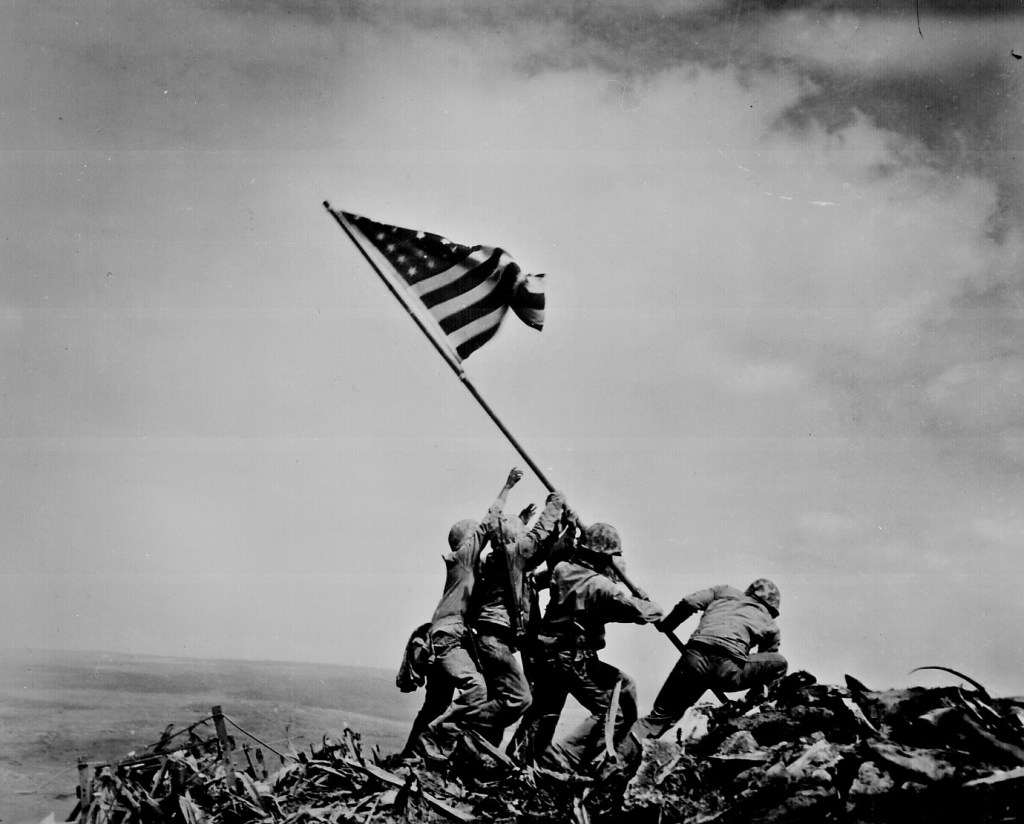
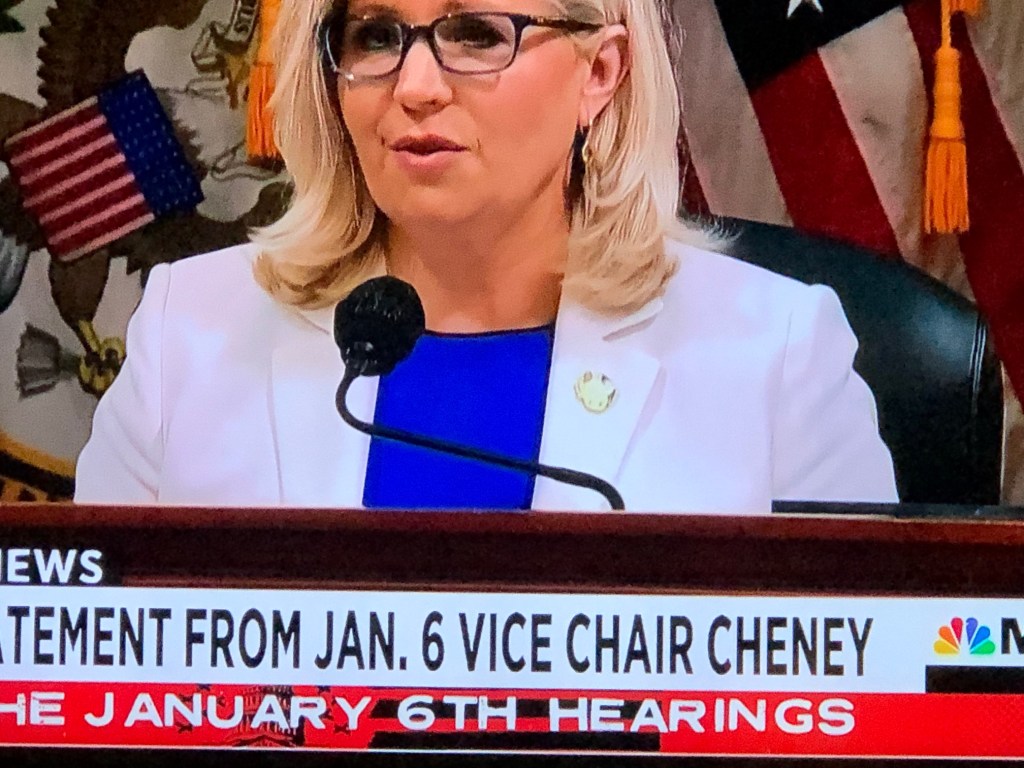
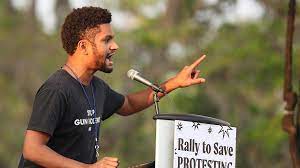
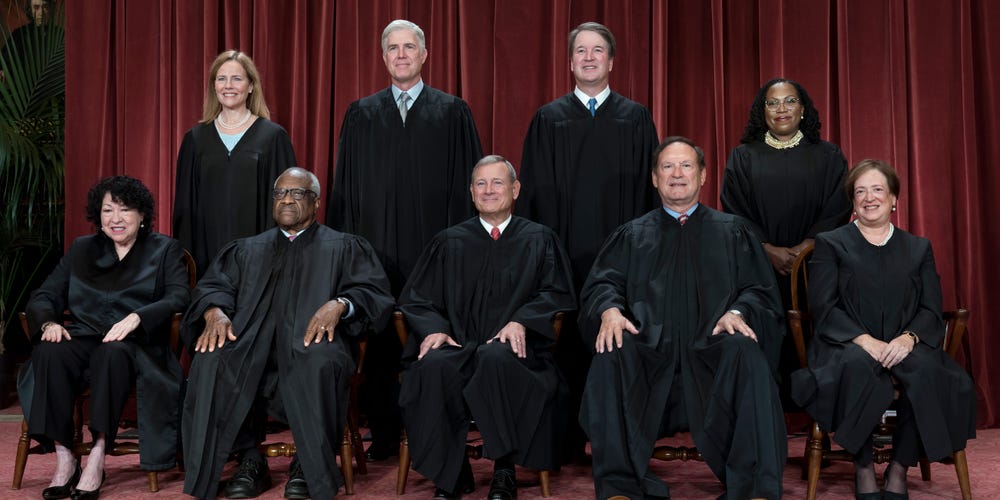

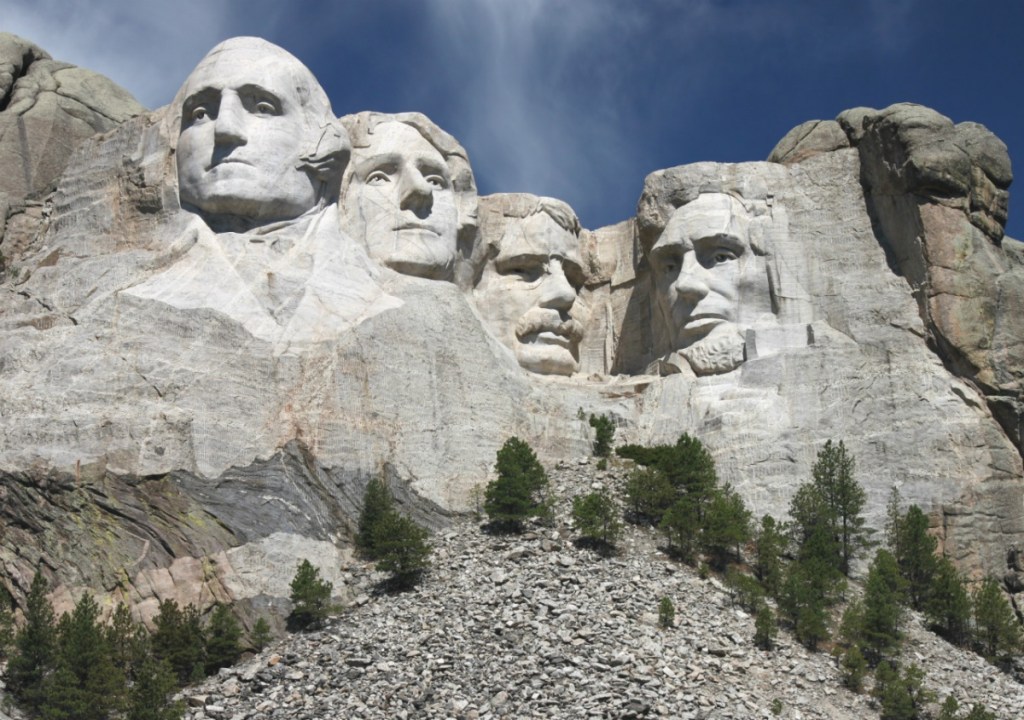
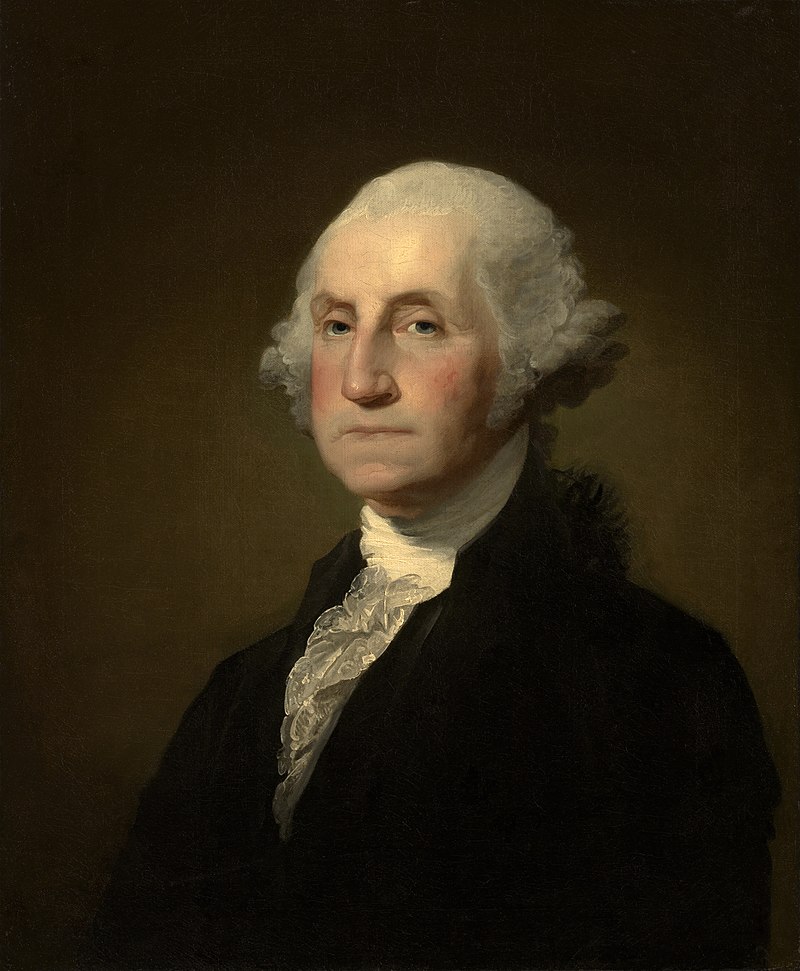
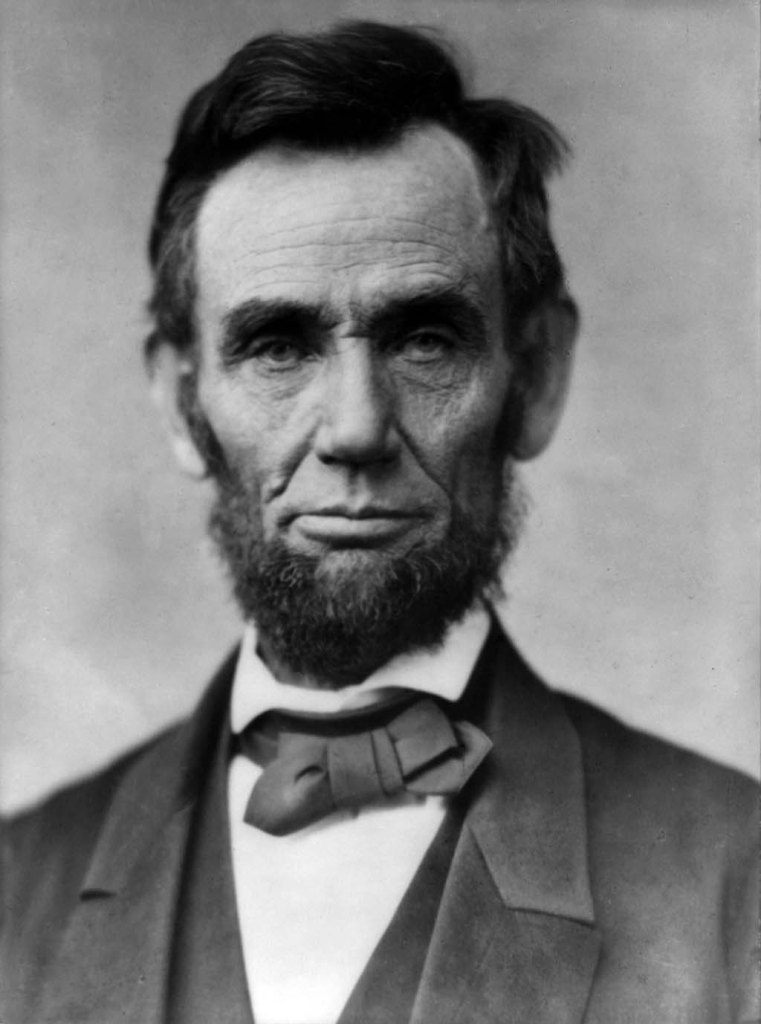
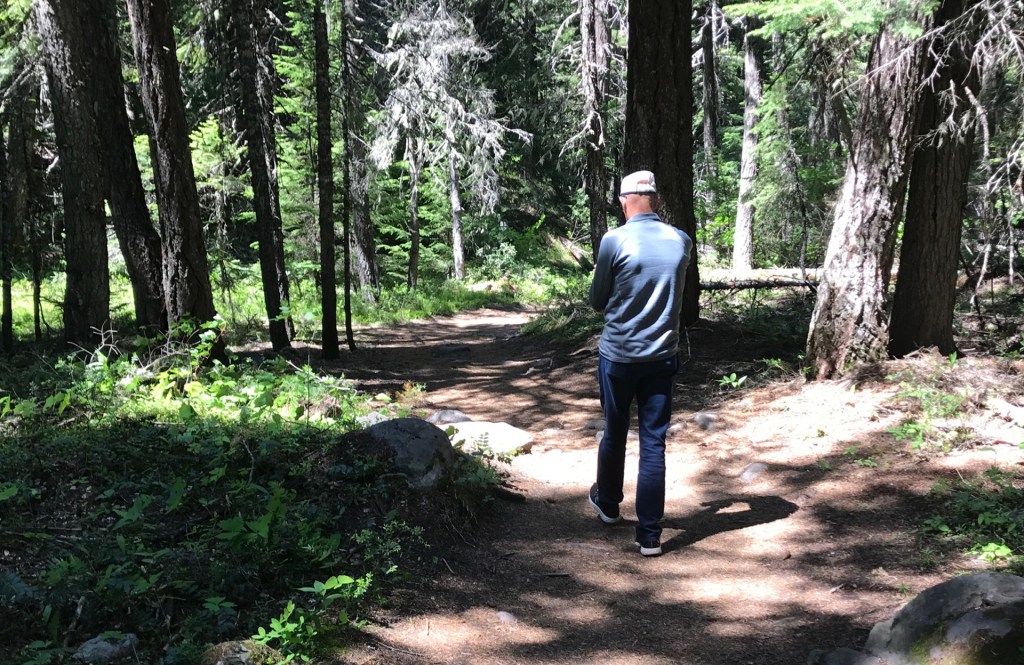


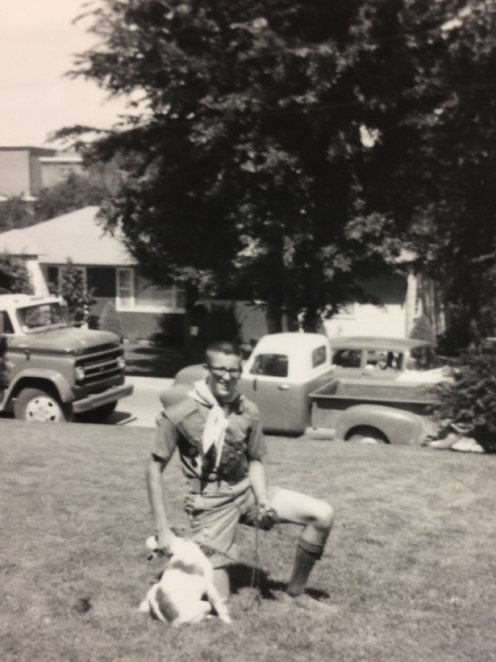

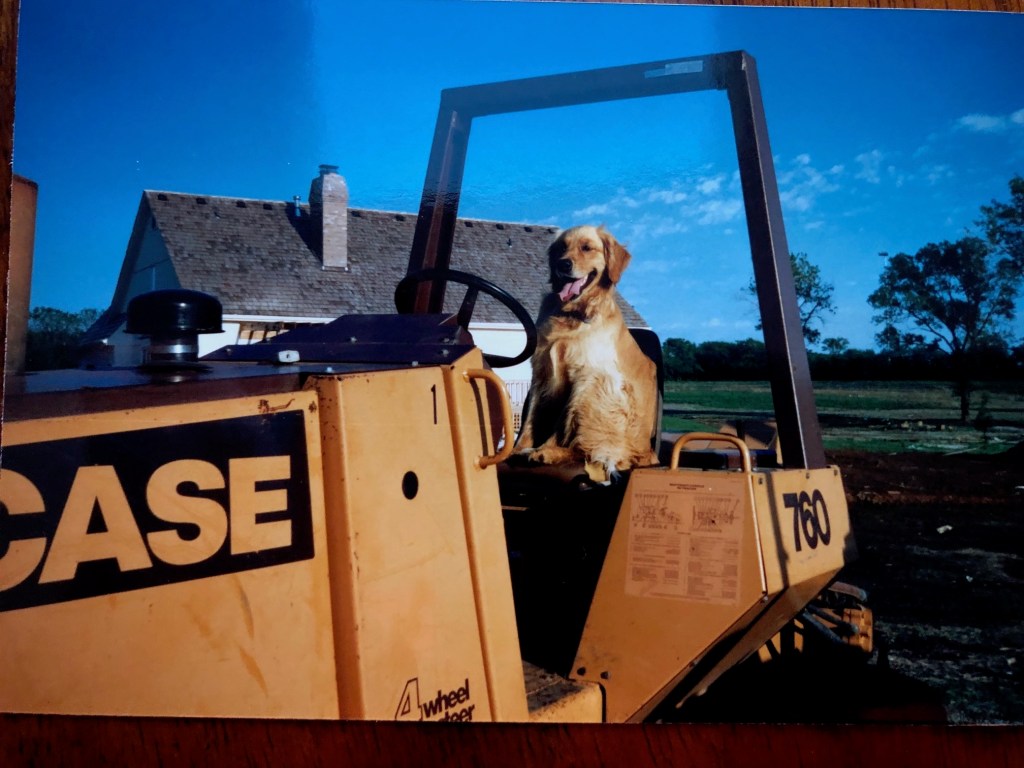
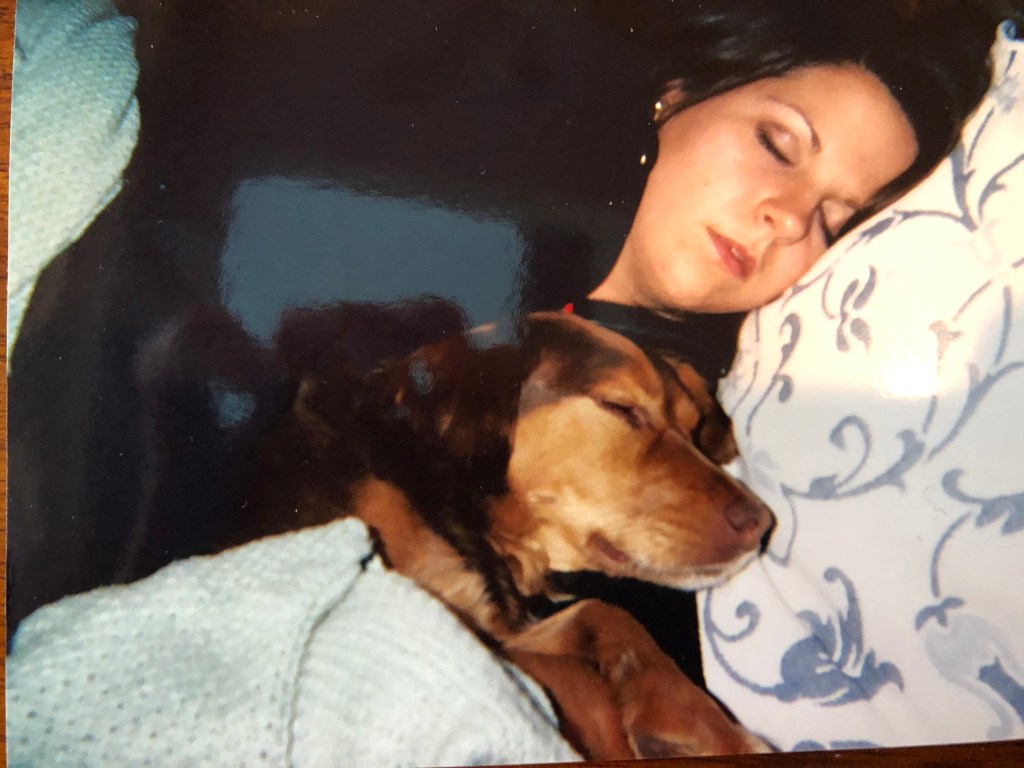

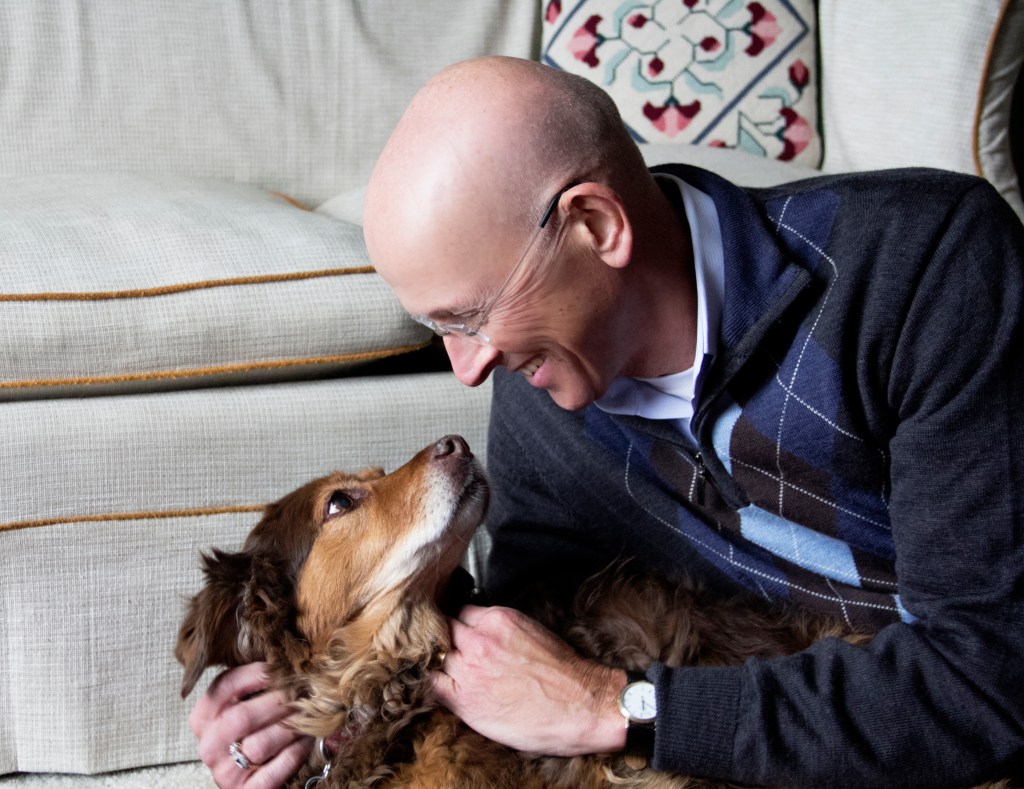
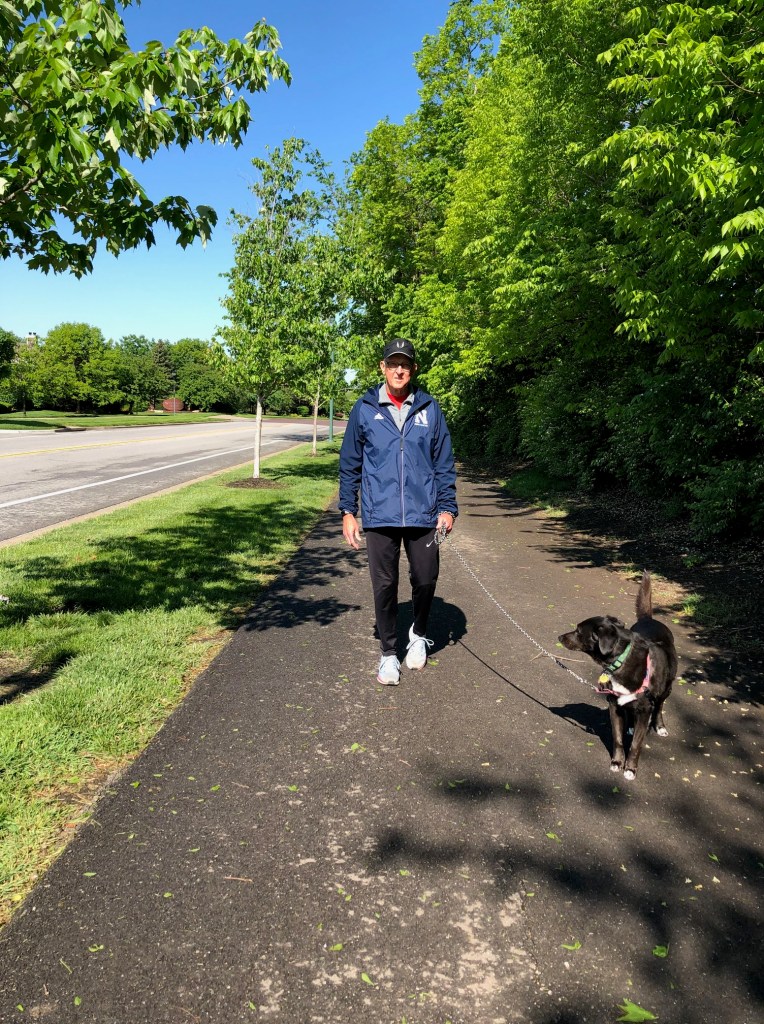
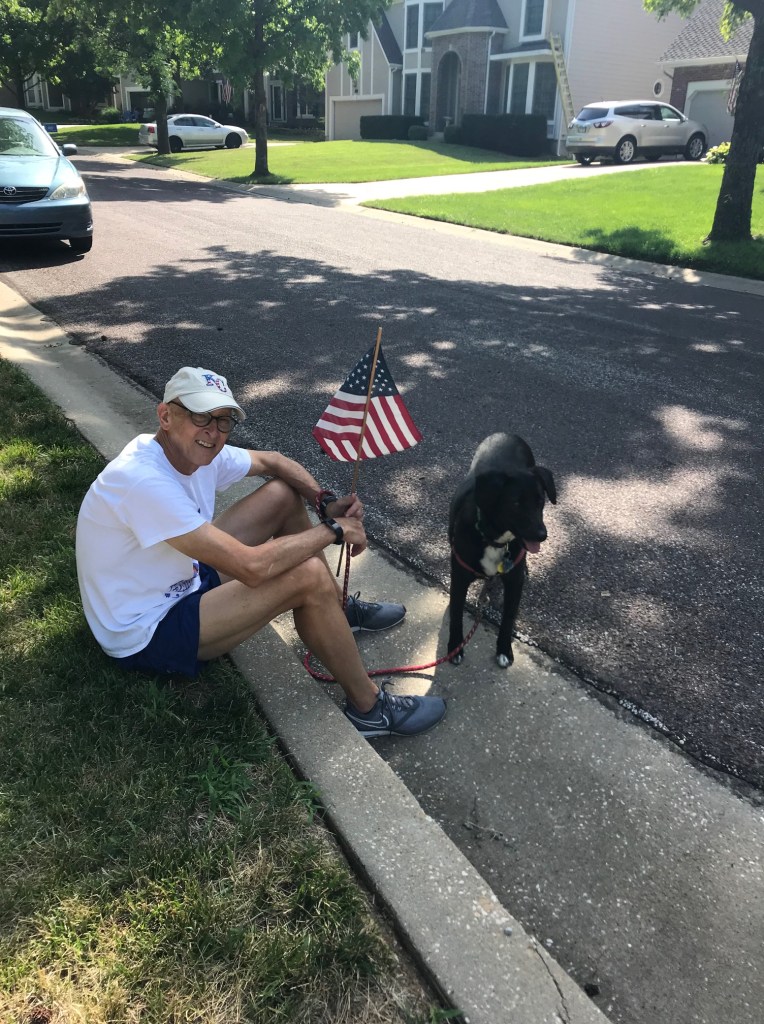
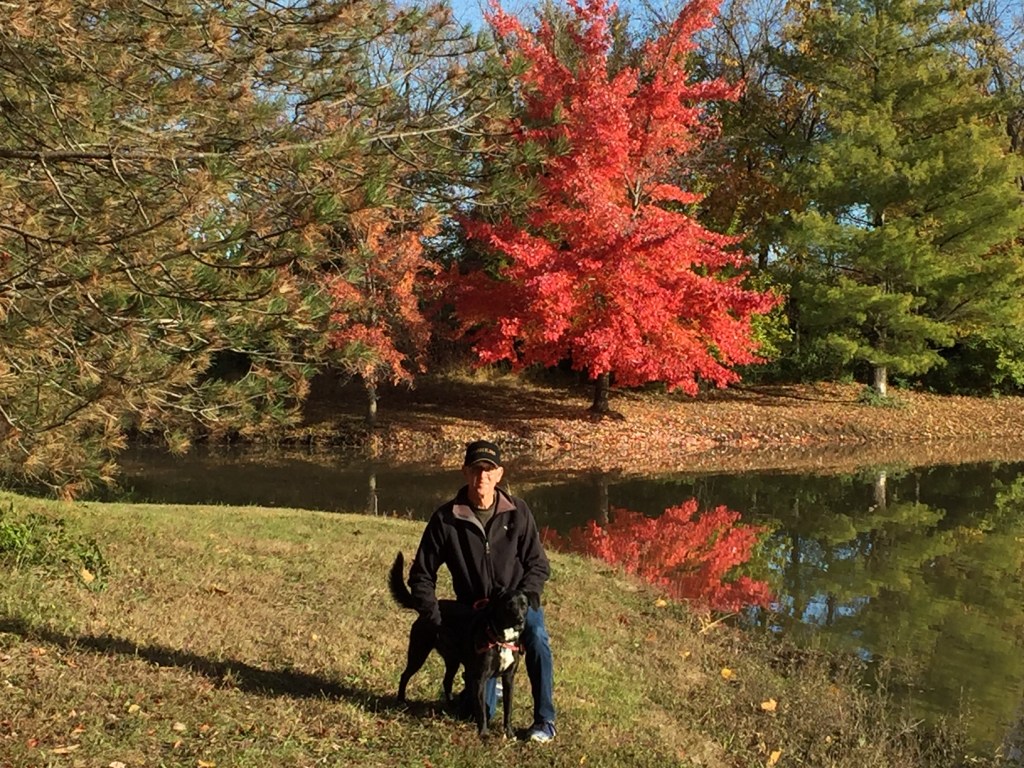
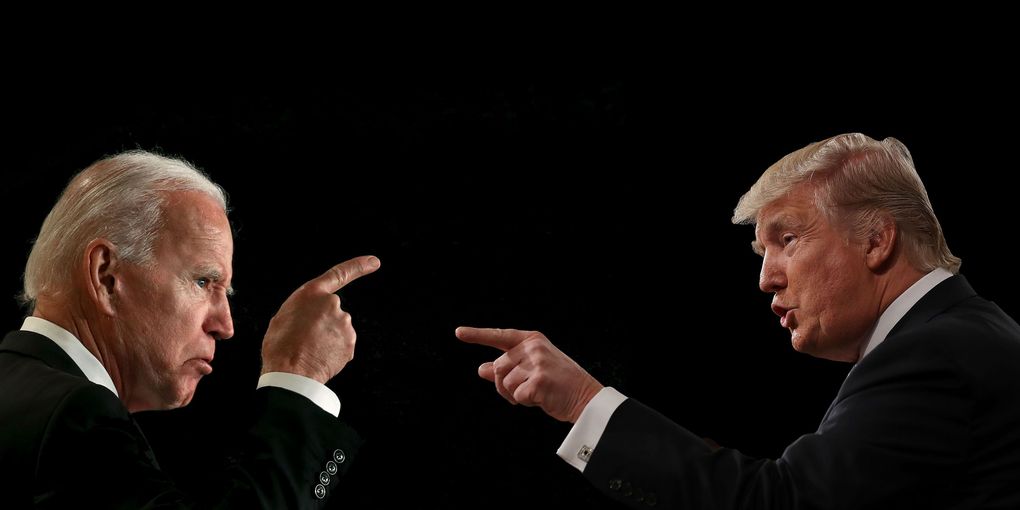
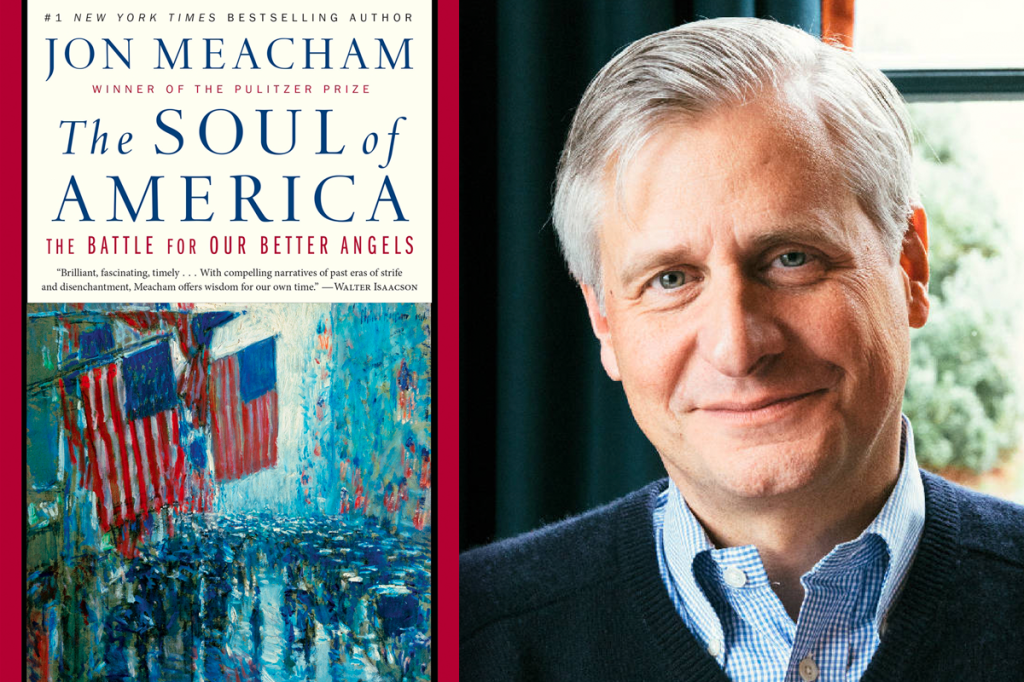



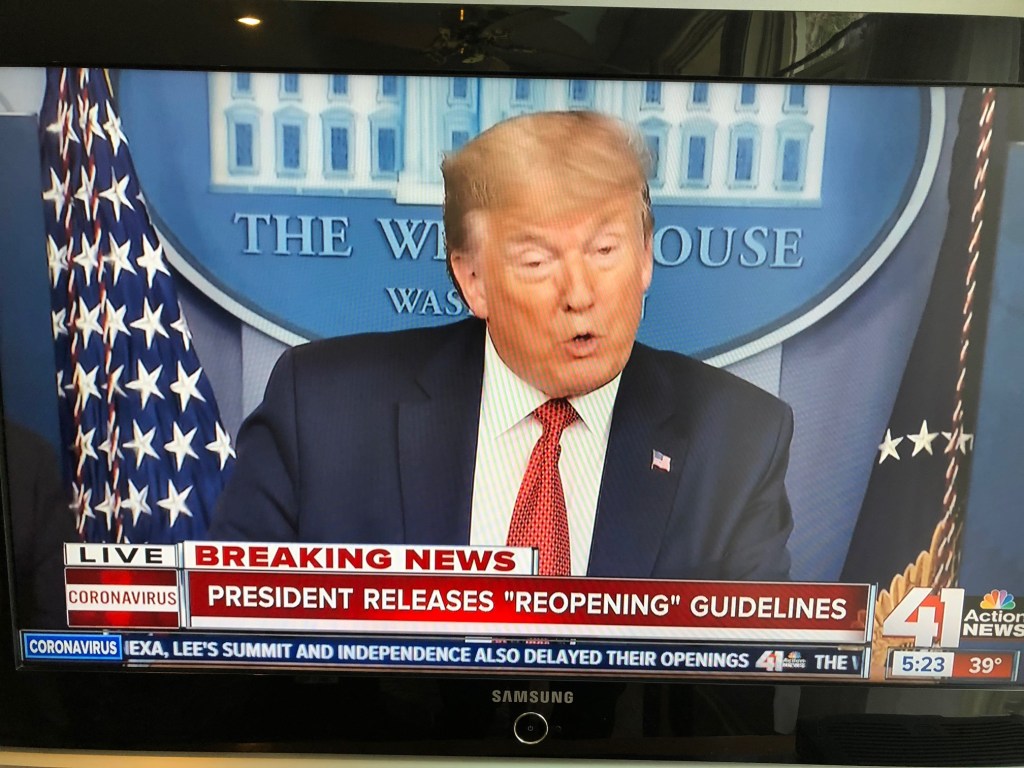

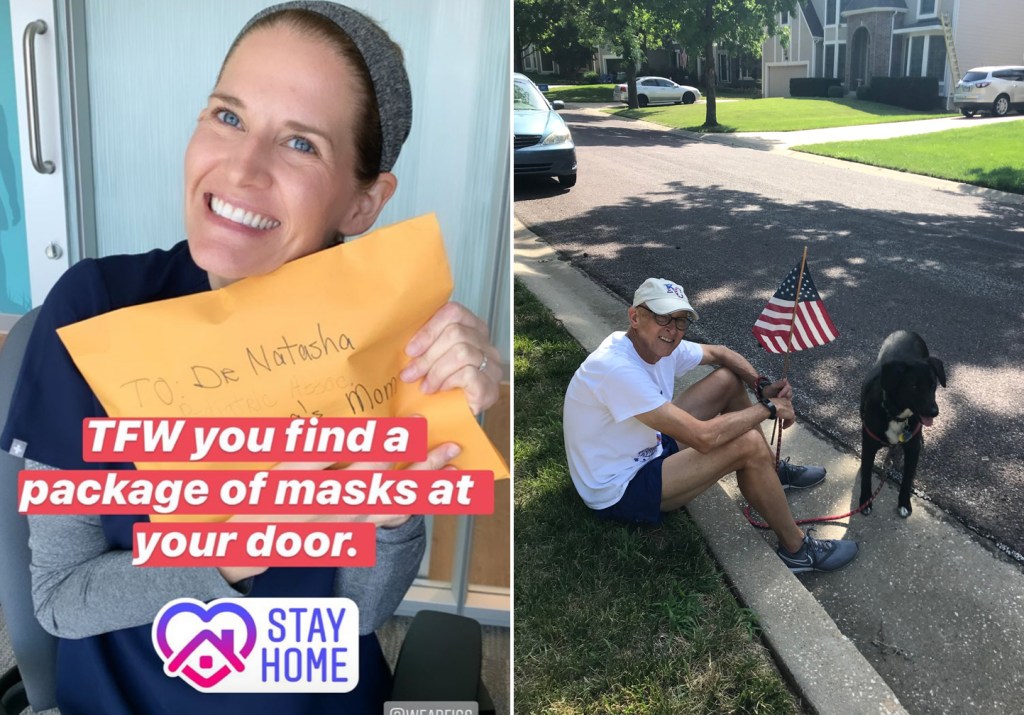
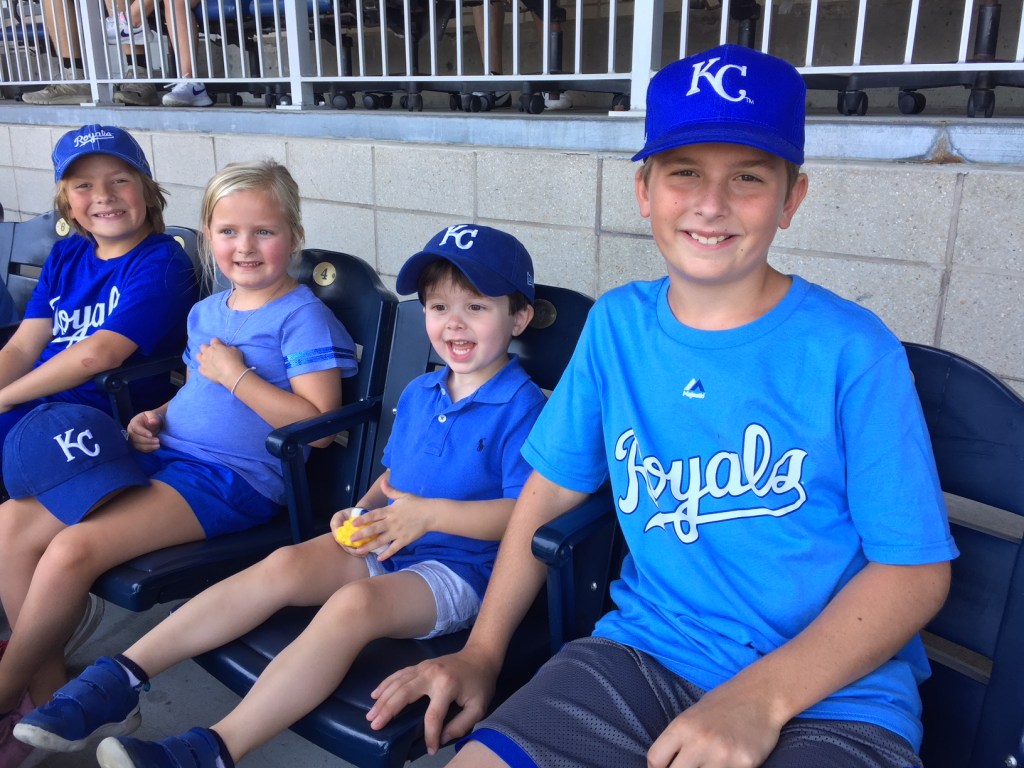
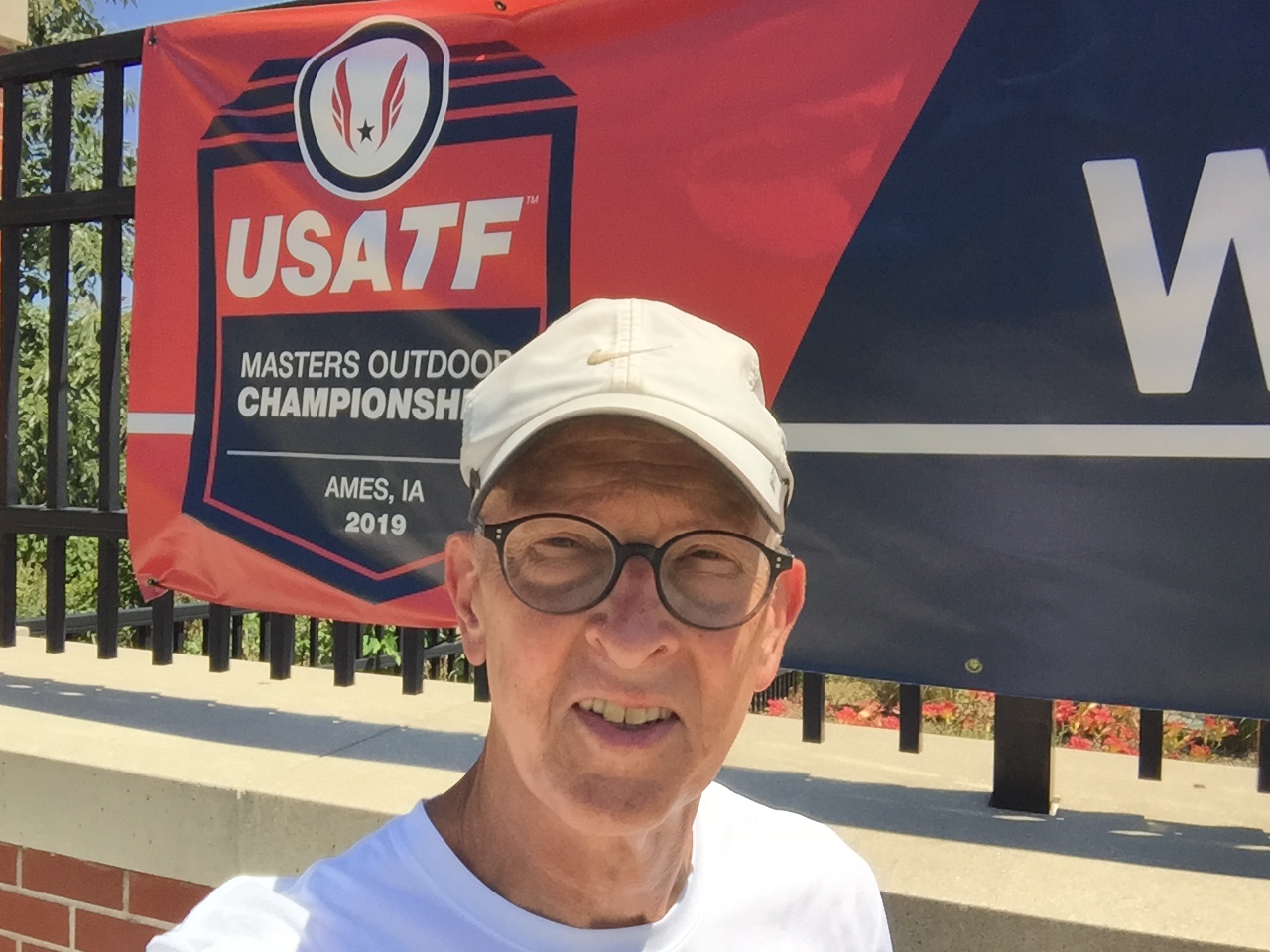

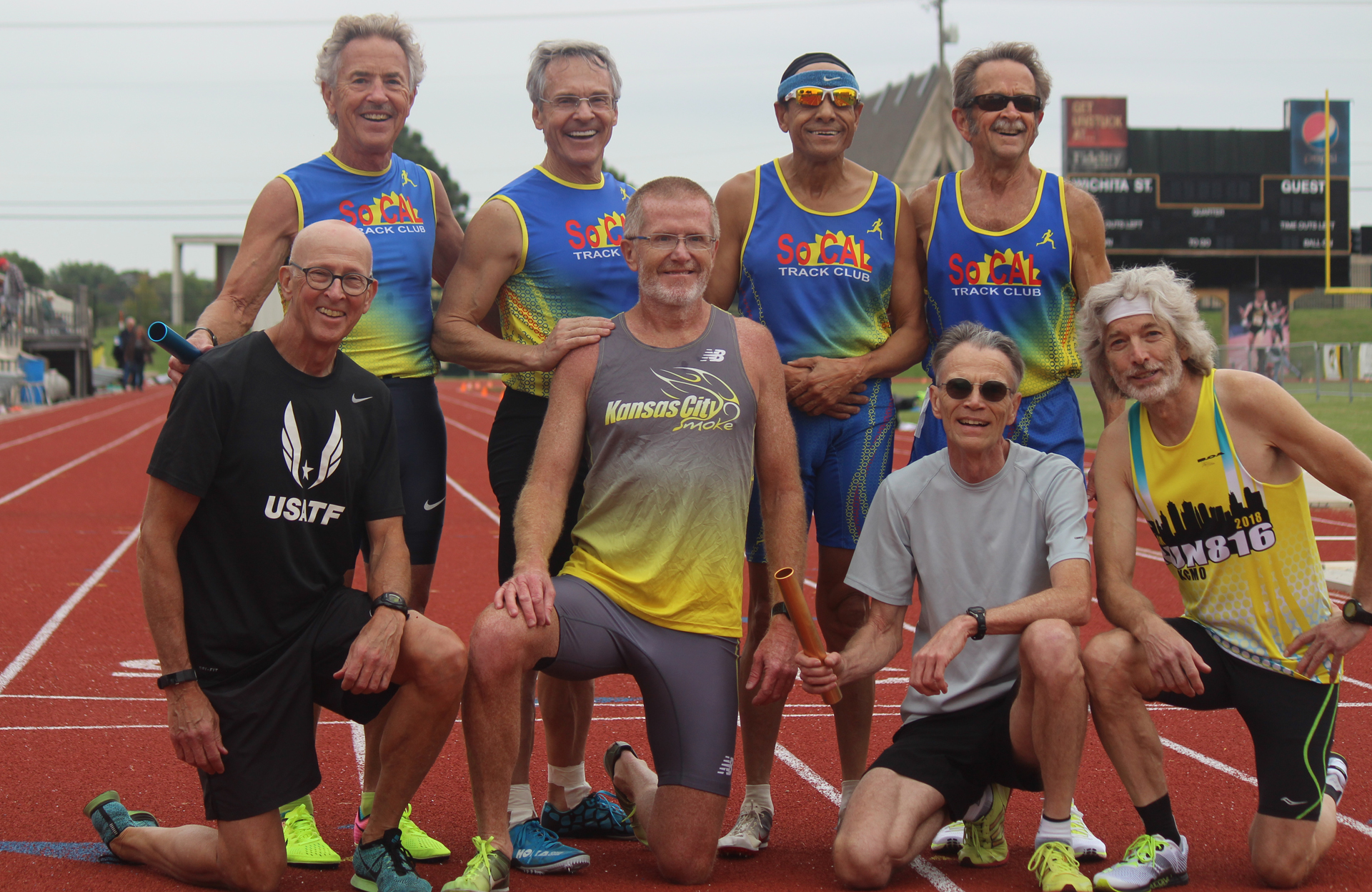

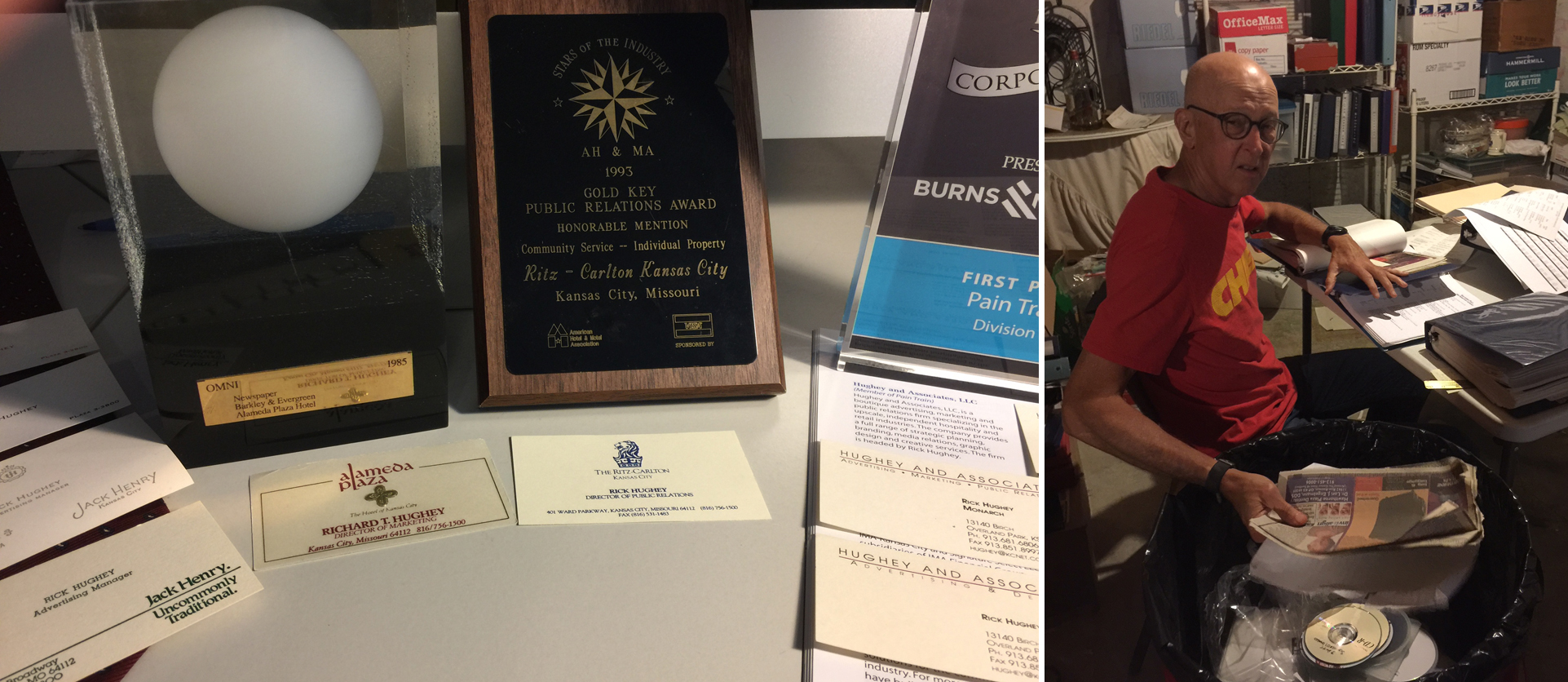
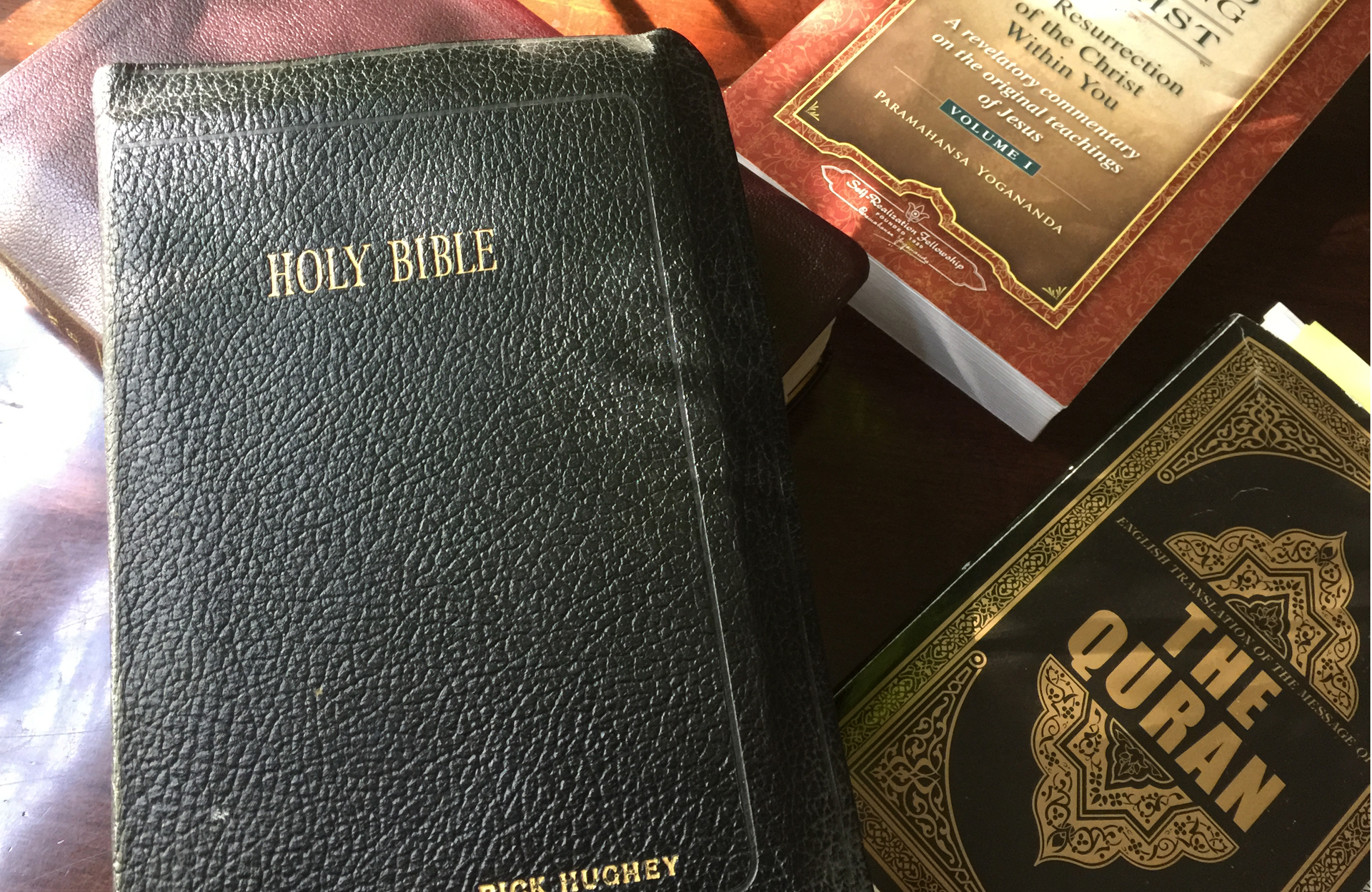

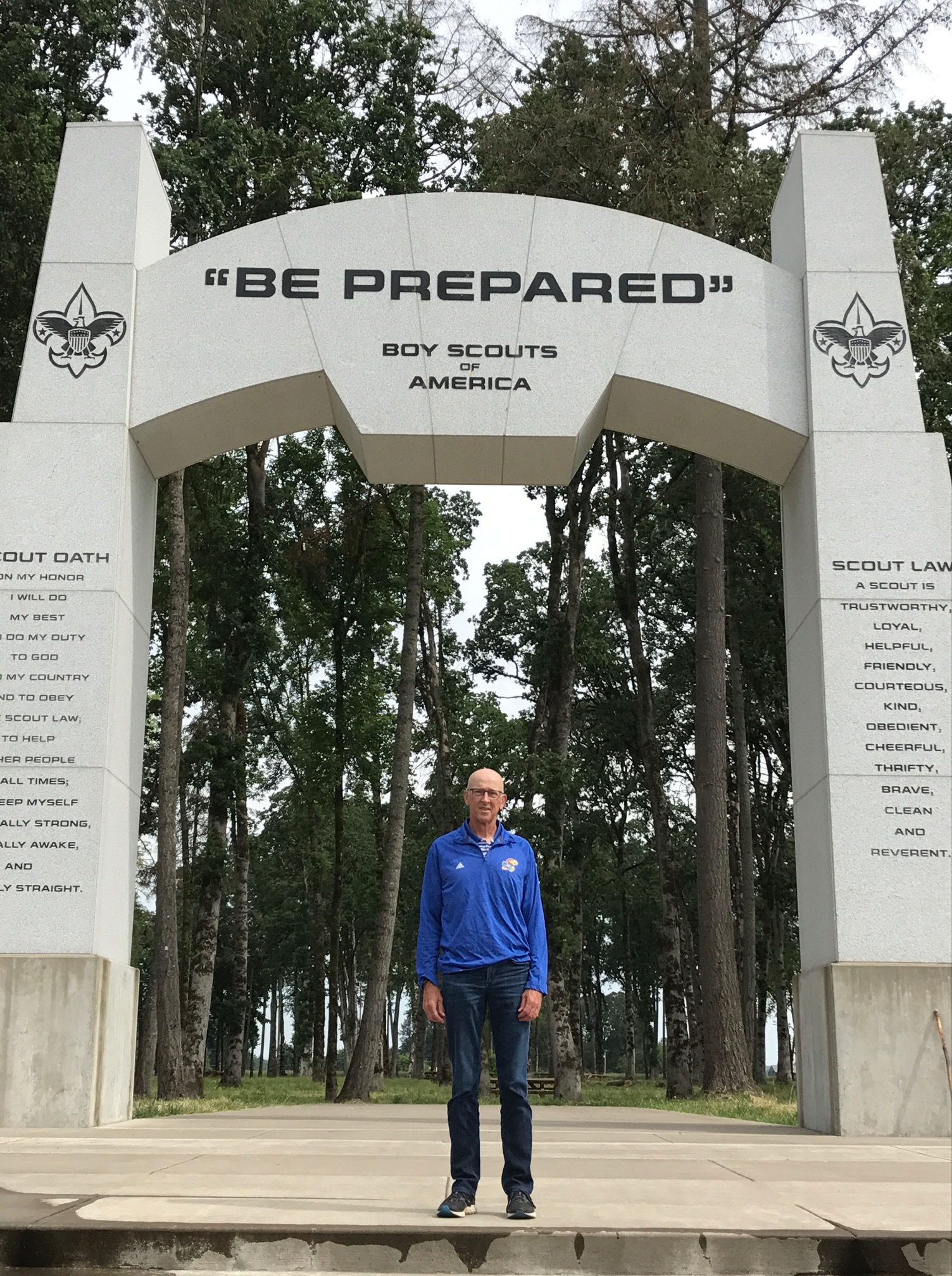
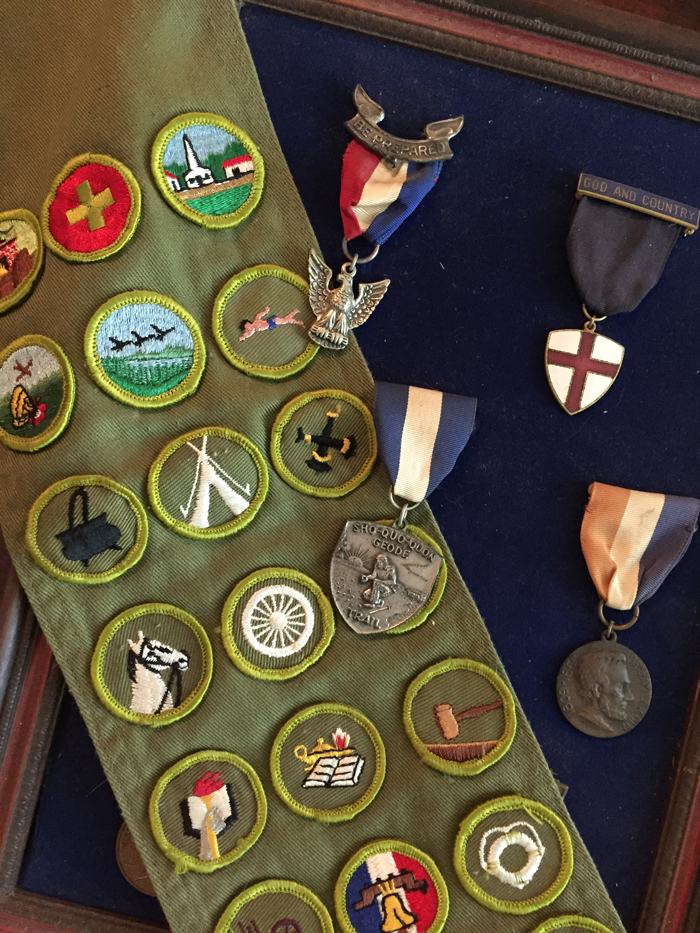



 The Nontrepreneur